
Anti-Inflammatory Diet for Runners
If you’re a runner in midlife, especially navigating perimenopause or menopause, inflammation can quietly sabotage your performance, recovery, and overall health. Understanding how an anti-inflammatory diet for runners works—and how to apply it strategically—can be a game-changer.
Chronic low-grade inflammation is strongly linked to slower recovery, joint pain, fatigue, hormonal imbalance, and increased injury risk. Research shows that diet plays a major role in either fueling or reducing this inflammation.
This guide dives deep into the science, real studies, and practical steps tailored specifically for runners—especially women on HRT and those not using hormone therapy.
What Science Says About Inflammation and Running
Exercise itself creates acute inflammation—this is normal and necessary for adaptation. However, chronic inflammation is where problems begin.
A landmark study published in The Journal of Applied Physiology (2012) found that prolonged endurance training increases inflammatory markers like IL-6 and TNF-alpha when recovery and nutrition are inadequate.
Another study in Nutrients (2019) confirmed that diet significantly influences systemic inflammation, especially in endurance athletes.
👉 Key takeaway:
- Short-term inflammation = beneficial
- Chronic inflammation = harmful
Diet determines which direction your body goes.
Why Midlife Women Runners Are More Vulnerable
Estrogen has natural anti-inflammatory properties. As estrogen declines during perimenopause and menopause:
- Inflammation increases
- Muscle repair slows
- Joint stiffness rises
- Fatigue becomes more persistent
A study in Endocrine Reviews (2015) showed that estrogen deficiency is linked to higher inflammatory cytokines and oxidative stress.
This makes diet even more critical for midlife runners.
Core Principles Behind an Anti-Inflammatory Approach
Rather than a strict “diet,” this is a pattern of eating focused on:
- Reducing oxidative stress
- Supporting gut health
- Stabilizing blood sugar
- Supporting hormonal balance
A 2020 review in Frontiers in Nutrition highlighted that anti-inflammatory eating patterns significantly reduce CRP (C-reactive protein), a key marker of inflammation.
The 7 Powerful Science-Backed Strategies
1. Prioritize Omega-3 Fatty Acids
Omega-3s reduce inflammatory markers and improve muscle recovery.
A study in Clinical Journal of Sport Medicine (2018) found that omega-3 supplementation reduced muscle soreness and improved recovery in endurance athletes.
Best sources:
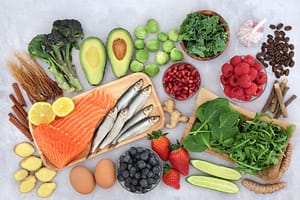
- Salmon, sardines, mackerel
- Chia seeds
- Flaxseeds
- Walnuts
2. Eat Polyphenol-Rich Foods
Polyphenols are powerful antioxidants that combat oxidative stress.
A study in The American Journal of Clinical Nutrition (2010) showed that runners consuming tart cherry juice experienced faster recovery and reduced muscle damage.
Top choices:
- Berries
- Tart cherries
- Dark chocolate (70%+)
- Green tea
3. Balance Carbohydrates Strategically
Low-carb approaches can increase stress hormones and inflammation in female athletes.
A study in Sports Medicine (2014) found inadequate carbohydrate intake elevates cortisol and inflammatory responses.
What works:
- Time carbs around workouts
- Choose whole sources (sweet potatoes, oats, quinoa)
4. Include High-Quality Protein
Protein supports muscle repair and reduces inflammation.
A study in The Journal of Nutrition (2015) showed that adequate protein intake improves muscle protein synthesis and recovery.
Aim for:
- 20–30g protein per meal
- Lean meats, eggs, Greek yogurt, legumes
5. Support Gut Health
Gut health directly influences inflammation.
A 2018 study in Nature Reviews Gastroenterology found gut microbiota plays a central role in regulating immune response and inflammation.
Include:
- Fermented foods (kimchi, yogurt, kefir)
- Fiber-rich foods
- Prebiotics (garlic, onions, bananas)
6. Reduce Ultra-Processed Foods
Ultra-processed foods increase inflammation significantly.
A large cohort study in BMJ (2019) linked processed food consumption to higher inflammatory markers and chronic disease risk.
Avoid or limit:
- Sugary snacks
- Refined oils
- Packaged junk foods
7. Hydration and Electrolytes Matter
Dehydration increases inflammatory stress.
A study in European Journal of Nutrition (2016) showed even mild dehydration increases oxidative stress.
Step-by-Step Plan for Runners
Step 1: Build Your Plate
- 50% vegetables/fruits
- 25% protein
- 25% whole carbs
- Add healthy fats
Step 2: Time Nutrition Around Runs
- Pre-run: easy carbs + small protein
- Post-run: carbs + protein within 30–60 minutes
Step 3: Weekly Anti-Inflammatory Routine
- 2–3 servings fatty fish
- Daily berries or polyphenols
- Fermented food 3–5 times/week
Step 4: Monitor Recovery Signals
Track:
- Morning stiffness
- Fatigue
- Sleep quality
- HRV (if available)
Special Considerations: HRT vs Non-HRT Runners
For Runners on HRT
HRT can help reduce inflammation but doesn’t eliminate the need for dietary strategies.
Focus on:
- Supporting liver detox (cruciferous vegetables)
- Maintaining insulin sensitivity
- Balanced macronutrients
A study in Menopause Journal (2018) showed HRT reduces inflammatory markers, but lifestyle factors remain critical.
For Non-HRT Runners
Without estrogen support, inflammation tends to be higher.
Priority strategies:
- Higher omega-3 intake
- More polyphenols
- Strict blood sugar control
A study in The Journal of Clinical Endocrinology & Metabolism (2017) found postmenopausal women not on HRT had significantly higher inflammatory markers.
Real-Life Example
A 48-year-old marathon runner struggling with joint pain and fatigue implemented:
- Omega-3 intake 3x/week
- Removed processed snacks
- Added tart cherry juice post-run
Within 8 weeks:
- Reduced soreness
- Faster recovery
- Improved training consistency
This aligns with findings from Scandinavian Journal of Medicine & Science in Sports (2016).
Sample Day of Eating
Breakfast:
Greek yogurt + berries + flaxseed
Lunch:
Salmon salad with olive oil
Snack:
Apple + almond butter
Dinner:
Quinoa, roasted vegetables, grilled chicken
Post-run:
Tart cherry juice + protein
Common Mistakes to Avoid
- Going too low-carb
- Overtraining without fueling
- Ignoring hydration
- Relying on supplements instead of food
Final Thoughts
An anti-inflammatory diet for runners isn’t about restriction—it’s about fueling your body to perform, recover, and thrive, especially during midlife transitions.
The science is clear: nutrition is one of the most powerful tools you have to control inflammation, improve performance, and extend your running longevity.
Resource Links: