
There are mornings when my body feels like a stranger. Today was one of those days—heavy-limbed, mentally foggy, energy seemingly evaporated before the day even truly began. As an endurance athlete, this experience is both bewildering and frustrating.
The Invisible Challenge: When Hormones Hijack Your Run
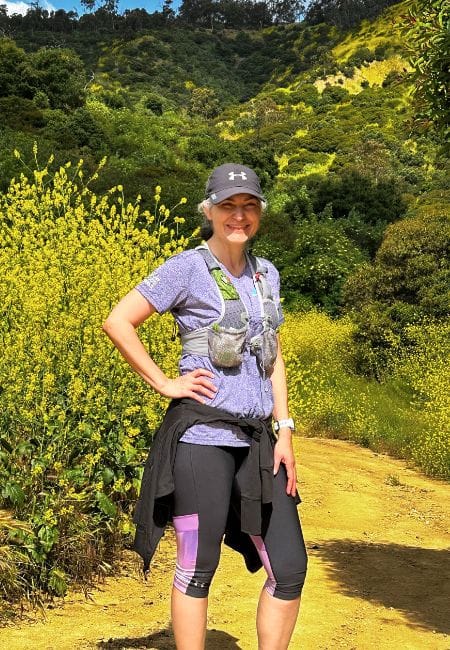
Perimenopause isn’t just a biological transition—it’s a complete recalibration of your body’s internal systems.
What science reveals is fascinating and validating: hormonal fluctuations during this phase can dramatically impact athletic performance and energy levels.
The Hormonal Science Behind the Fatigue
Research shows that during perimenopause, estrogen levels become unpredictable. These hormonal shifts directly influence:
- Neurotransmitter production (hello, mood and energy variations!)
- Muscle recovery rates
- Metabolic efficiency
- Cognitive function
My morning brain feeling like it “can’t start the engine” isn’t just a feeling—it’s a biochemical reality. Declining estrogen affects dopamine and serotonin production, which explains that profound sense of exhaustion that seems to penetrate every cell.
Listening to Your Body: A Runner’s Wisdom
Some days, pushing through isn’t heroic—it’s counterproductive. I’ve learned that perimenopause demands a new kind of athleticism: emotional intelligence and adaptive strategies.
Practical Strategies I’ve Developed:
- Recognize that rest is not weakness, but strategic recovery
- Modify training intensity based on how I’m feeling
- Prioritize nutrition that supports hormonal balance
- Practice compassionate self-talk
- Consult with sports medicine professionals who understand midlife female physiology
The Unexpected Gift
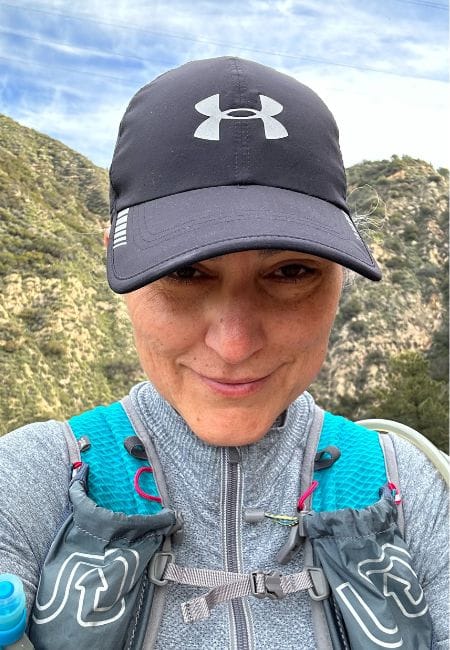
While perimenopause presents challenges, it’s also an invitation to redefine strength.
It’s not about maintaining the same performance metrics of our 20s and 30s, but about evolving our approach to fitness and well-being.
Strength isn’t about never getting tired. It’s about how we move forward when exhaustion tries to define us.
Supplements and Support
After extensive research, I’ve found targeted nutritional support can make a significant difference:
- Adaptogenic herbs to support stress response
- Quality Omega-3 supplements
- Vitamin D and B-complex
- Magnesium for muscle recovery and sleep quality
A Message of Solidarity
To my fellow midlife runners: you are not alone. Your experiences are valid, your challenges are real, and your athletic spirit remains undiminished. Perimenopause is not a limitation—it’s a transformation.
Keep running. Keep adapting. Keep becoming.