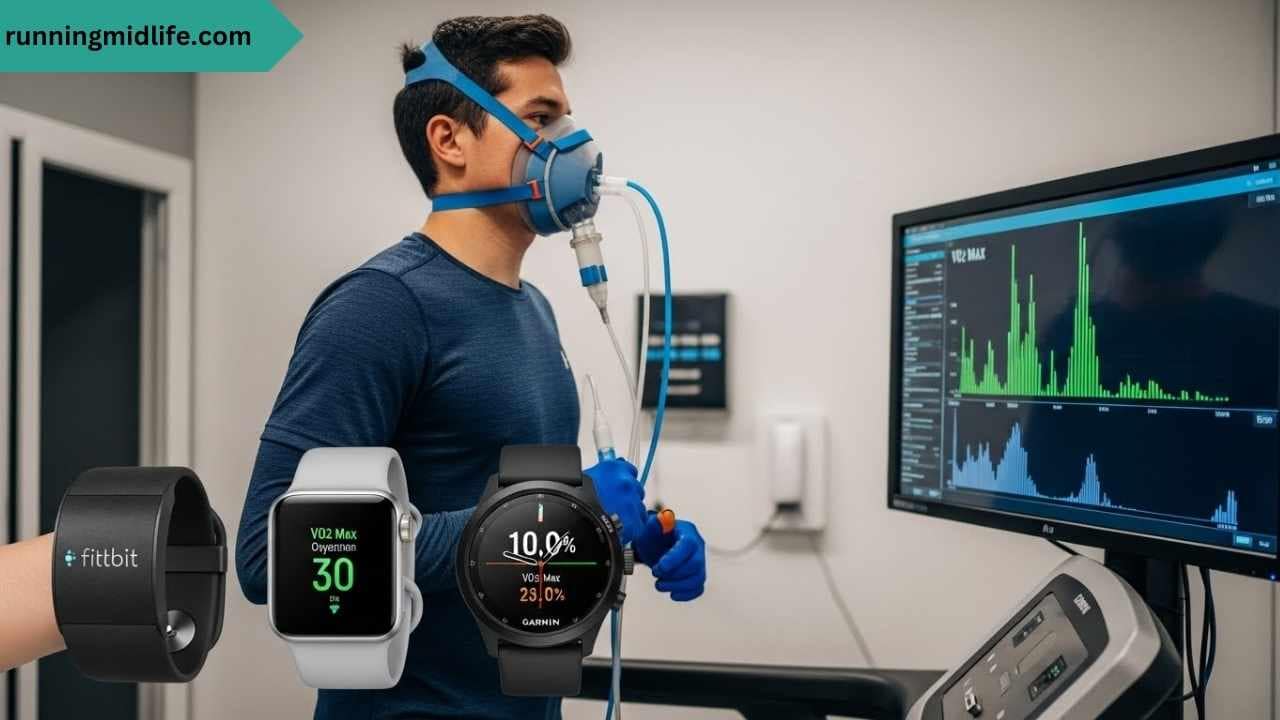
VO2 Max is a key measure of cardiovascular fitness that determines how efficiently your body uses oxygen during intense physical activity. Understanding how VO2 Max is calculated can help you track your fitness progress, enhance athletic performance, and make informed decisions about your health. In this article, we’ll explore the different methods used to measure VO2 Max, from laboratory testing to wearable devices like the Apple Watch, Fitbit, and Garmin.
Key Takeaways
-
VO2 Max is the maximum amount of oxygen your body can use during intense exercise and is a key indicator of cardiovascular fitness.
-
The gold standard for measuring VO2 Max is through laboratory testing, where oxygen consumption is measured at increasing intensities.
-
Apple Watch, Fitbit, and Garmin provide estimates of VO2 Max by tracking heart rate and activity levels, offering a convenient way to monitor fitness.
-
Submaximal testing is an alternative method to estimate VO2 Max, though it is less accurate than laboratory tests.
-
Improving your VO2 Max through regular aerobic and interval training can boost endurance and overall cardiovascular health.
What is VO2 Max?
VO2 Max, also known as maximal oxygen uptake, refers to the maximum amount of oxygen your body can use during intense exercise. It’s a critical indicator of cardiovascular endurance and overall fitness. The higher your VO2 Max, the more oxygen your muscles can absorb during strenuous activity, which can lead to better performance in sports or physical tasks.
Tracking your VO2 Max is important for athletes, fitness enthusiasts, and anyone aiming to improve their cardiovascular health. However, calculating VO2 Max requires specific methods, from lab tests to wearable devices, each providing valuable insights into your fitness level.
Methods to Measure VO2 Max
VO2 Max can be measured using several methods, ranging from precise laboratory testing to convenient tracking with wearable devices. Let’s take a closer look at these methods.
1. Laboratory Testing: The Gold Standard
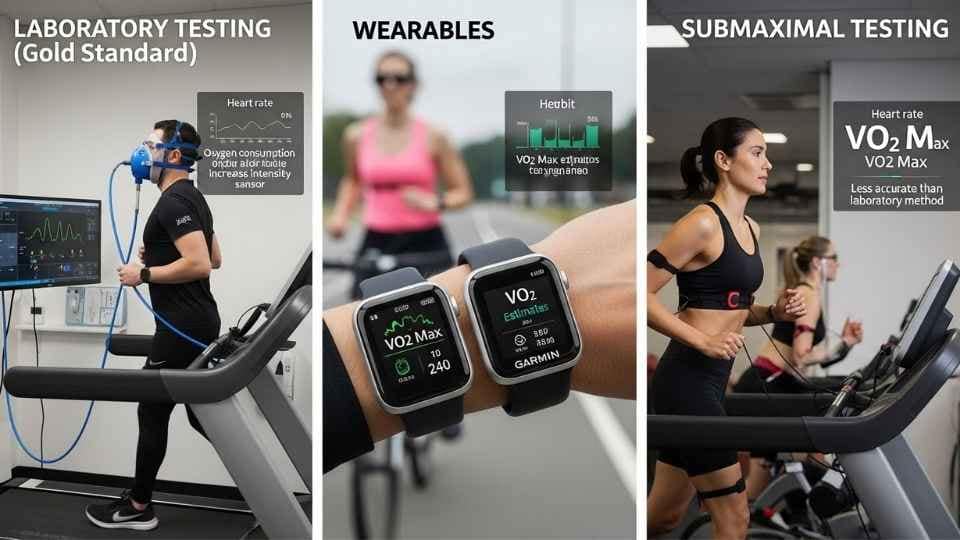
The most accurate way to calculate VO2 Max is through a laboratory test, often conducted on a treadmill or cycle ergometer. This test requires you to exercise at increasing intensities while wearing a mask that measures the amount of oxygen you consume. As your exercise intensity increases, the amount of oxygen you use also increases until it reaches a plateau, which is your VO2 Max.
Laboratory testing is the gold standard because it measures your VO2 Max under controlled conditions, offering precise results. During the test, data such as heart rate, oxygen consumption, and carbon dioxide production are monitored. This method is usually performed in sports science labs, hospitals, or specialized testing centers.
2. Wearables: Convenient and Accessible
In recent years, technology has made it possible to track VO2 Max using wearable devices. Apple Watch, Fitbit, and Garmin all offer features that estimate VO2 Max by analyzing your heart rate and activity data. While these wearables provide estimates and are less precise than laboratory tests, they offer a convenient and accessible way to track VO2 Max over time.
Apple Watch VO2 Max
The Apple Watch uses heart rate data and motion sensors to estimate VO2 Max during physical activities such as walking, running, or cycling. It’s a useful tool for tracking changes in cardiovascular fitness over time and can help you monitor your fitness progress.
Fitbit VO2 Max
Similar to the Apple Watch, Fitbit devices measure VO2 Max by tracking your heart rate and activity levels. Fitbit VO2 Max estimates are available through the Fitbit app and can be accessed after certain activities, like running or walking.
Garmin VO2 Max Accuracy
Garmin is known for its accuracy when it comes to fitness tracking. Their wearables, like the Garmin Forerunner series, offer reliable VO2 Max estimates based on heart rate variability and running dynamics. Garmin devices use advanced algorithms to track VO2 Max and provide users with a comprehensive picture of their fitness.
3. Submaximal Testing: Estimating VO2 Max
For those who don’t have access to laboratory tests or wearables, submaximal testing offers an alternative way to estimate VO2 Max. During a submaximal test, your heart rate is monitored while you exercise at a steady pace, such as walking or jogging. Based on your heart rate and the intensity of exercise, the test provides an estimate of your VO2 Max.
Submaximal testing can be performed on a treadmill or cycle ergometer, and although it is not as accurate as the lab test, it can still offer valuable insights into your cardiovascular fitness level.
How Accurate are VO2 Max Measurements from Wearables?
While wearable devices like the Apple Watch, Fitbit, and Garmin provide convenient methods for tracking VO2 Max, their accuracy can vary. The most accurate readings still come from laboratory testing, but wearables can be a great tool for tracking changes in VO2 Max over time.
-
Apple Watch VO2 Max: It’s important to note that Apple Watch VO2 Max estimates are based on heart rate data and may not be as accurate as a lab test. However, it provides a good baseline for tracking fitness progress.
-
Fitbit VO2 Max: Fitbit offers estimates based on heart rate data from specific activities. While its accuracy can vary, Fitbit VO2 Max is a reliable tool for regular monitoring of your cardiovascular fitness.
-
Garmin VO2 Max Accuracy: Garmin devices generally provide the most accurate estimates, especially for runners and athletes who need detailed tracking of their fitness levels.
How is VO2 Max Calculated Using Wearables?
Here’s a quick overview of how to calculate VO2 Max using Apple Watch, Fitbit, or Garmin:
-
Apple Watch: The Apple Watch calculates VO2 Max based on heart rate data and activity levels. To get an accurate estimate, the watch uses data collected during activities like walking, running, or cycling.
-
Fitbit: Fitbit uses a similar approach, measuring VO2 Max through heart rate data and your physical activity. It estimates VO2 Max after specific exercises, particularly running or walking.
-
Garmin: Garmin uses a combination of heart rate variability and running dynamics to calculate VO2 Max. Garmin’s advanced sensors provide one of the most accurate estimates available in a wearable device.
Why is VO2 Max Important?
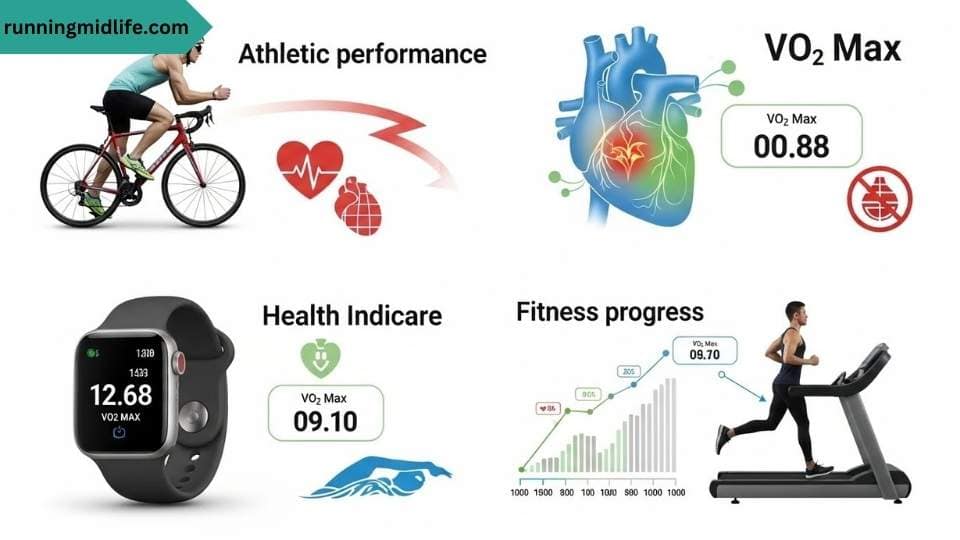
Understanding VO2 Max is important for both athletes and non-athletes alike. Here are a few reasons why tracking VO2 Max is beneficial:
-
Athletic Performance: For athletes, a higher VO2 Max allows for better endurance and performance in endurance sports like running, cycling, and swimming.
-
Health Indicator: VO2 Max is a great indicator of cardiovascular health. A higher VO2 Max is linked to better heart health and reduced risk of chronic diseases like heart disease and diabetes.
-
Fitness Progress: Tracking your VO2 Max over time helps you monitor improvements in cardiovascular fitness. As you train, you should see your VO2 Max increase, indicating improved stamina and endurance.
Summary
How VO2 Max, a key measure of cardiovascular fitness, is calculated. It covers the gold standard of laboratory testing, which provides the most accurate results, and the convenience of wearable devices like the Apple Watch, Fitbit, and Garmin, which estimate VO2 Max using heart rate data. The article also discusses submaximal testing, a less accurate method that estimates VO2 Max based on heart rate during steady exercise.
FAQs About How is VO2 Max Calculated
1- What is VO2 Max?
VO2 Max measures the maximum amount of oxygen your body can use during intense exercise. It’s a key indicator of cardiovascular fitness.
2- How is VO2 Max calculated?
VO2 Max is typically calculated using a laboratory test, wearable devices like the Apple Watch and Fitbit, or submaximal tests that monitor heart rate during exercise.
3- How accurate is the VO2 Max on Apple Watch?
While the Apple Watch offers a useful estimate, it is less accurate than a laboratory test. It uses heart rate data to estimate VO2 Max during exercise.
4- Can VO2 Max be improved?
Yes, regular aerobic exercise such as running, cycling, and interval training can improve VO2 Max over time.
5- What is a good VO2 Max score?
A typical VO2 Max for an average adult ranges from 30-40 ml/kg/min, while elite athletes can have scores above 70-80 ml/kg/min.