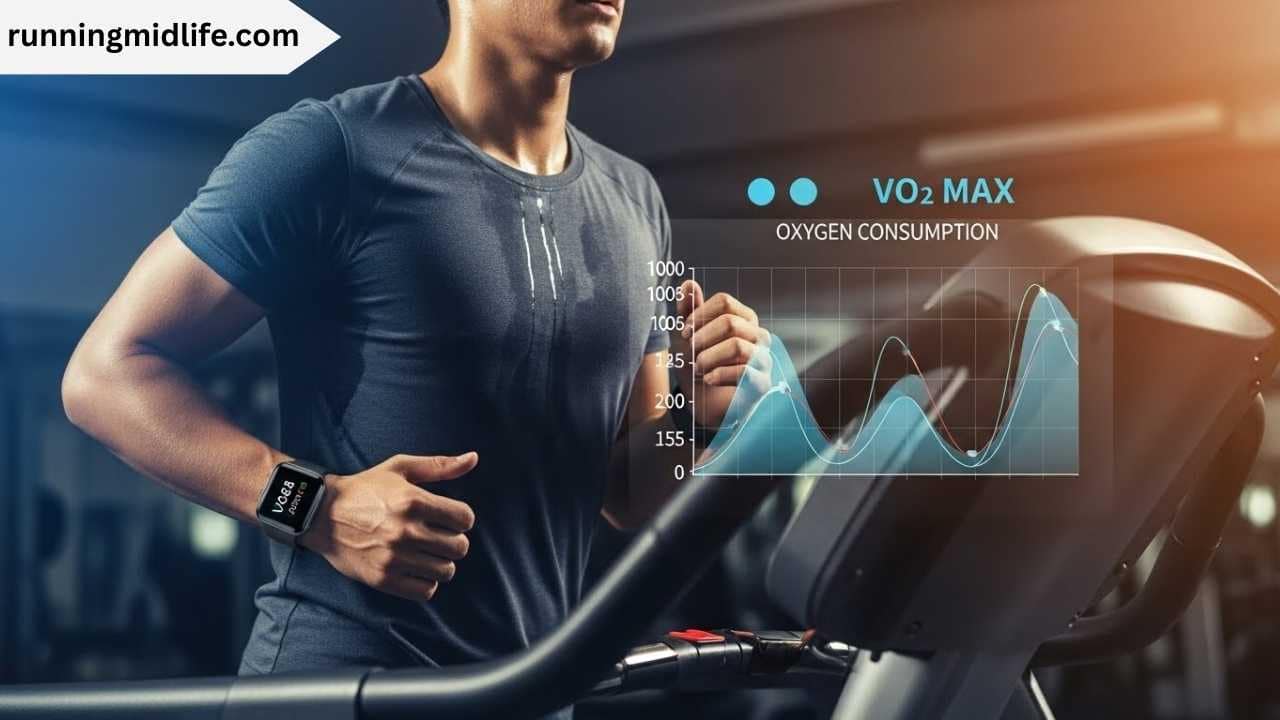
If you’re someone who’s serious about fitness or athletic performance, you’ve probably heard the term VO2 Max tossed around. Whether you’re a runner, cyclist, or fitness enthusiast, it’s one of the key metrics used to evaluate endurance and cardiovascular fitness. But as with many concepts in fitness, there are a lot of misconceptions about VO2 Max that can lead to confusion or mistakes in training.
I’ve certainly been guilty of some of these misconceptions myself, and I know I’m not alone. In this blog, we’re going to clear up some of the most common mistakes and misunderstandings about VO2 Max. We’ll talk about the truth behind VO2 Max training, how to measure it accurately, and how to maximize your VO2 Max for better endurance and performance.
Key Takeaways
-
VO2 Max is important for endurance performance, but lactate threshold and muscular efficiency also play critical roles.
-
Regular HIIT, Zone 2 training, and lactate threshold workouts will improve VO2 Max.
-
Your VO2 Max can still improve with age, as long as you train consistently.
-
Body composition affects your VO2 Max—focus on lean muscle and reducing body fat.
-
Recovery and sleep are just as important as training to improve your VO2 Max.
What is VO2 Max?
Before we tackle the misconceptions, let’s quickly go over what VO2 Max actually is. VO2 Max (maximal oxygen uptake) is the maximum amount of oxygen your body can utilize during exercise, and it’s typically measured during a VO2 Max test. It’s one of the most important metrics used to assess aerobic fitness and endurance performance.
Your body uses oxygen to produce energy during physical activity, and the more efficiently your body can use oxygen, the better your endurance. VO2 Max tells you how well your heart, lungs, and muscles can deliver and utilize that oxygen, especially during high-intensity exercise.
Misconception #1: VO2 Max is Only for Elite Athletes
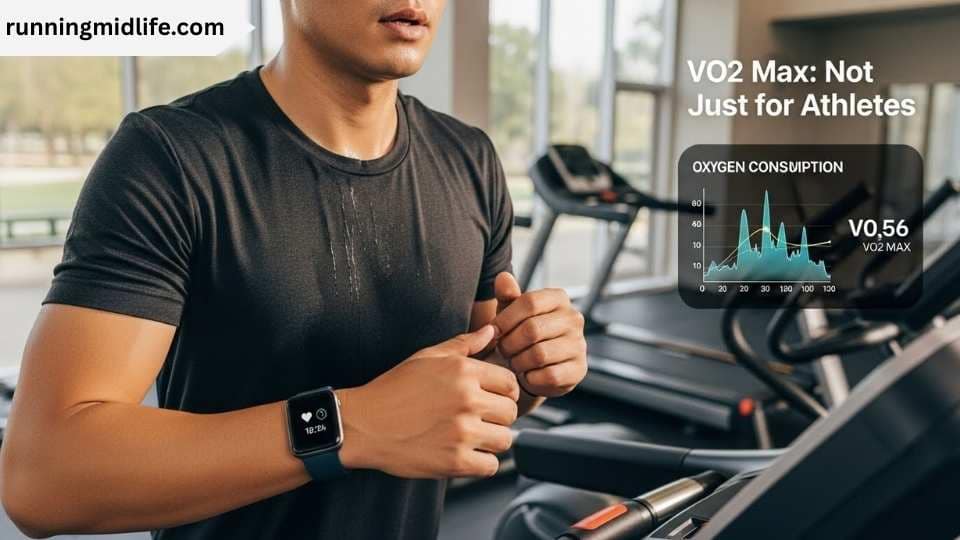
One of the most common misconceptions about VO2 Max is that it’s only important for elite athletes or professional cyclists. Many people believe that unless you’re training for a marathon or Tour de France, VO2 Max isn’t something you need to worry about.
Reality: VO2 Max is valuable for anyone—whether you’re an athlete or just trying to improve your cardiovascular health. If you’re someone who wants to improve fitness or boost endurance, understanding and improving your VO2 Max can significantly enhance your performance. Even for beginners, improving VO2 Max leads to better energy levels, quicker recovery, and improved overall heart health.
Misconception #2: VO2 Max Is Only About Genetics
Another common myth is that VO2 Max is largely determined by your genetics and there’s nothing you can do to improve it. While it’s true that genetics do play a role in your VO2 Max potential, training can make a huge difference in how your body utilizes oxygen during exercise.
Reality: Training can lead to significant improvements in your VO2 Max. Research has shown that with the right mix of aerobic exercises, such as running, cycling, or high-intensity interval training (HIIT), you can increase your VO2 Max by as much as 15–30%—regardless of your genetic predisposition. Regular endurance training helps your cardiovascular system adapt, improve oxygen consumption, and increase the efficiency of your muscles at using oxygen.
Misconception #3: You Need a VO2 Max Test to Measure It
Many people think that you can only accurately measure your VO2 Max with an expensive lab test or maximal test performed at a sports science facility.
Reality: While a lab-based VO2 Max test using a metabolic cart is the most accurate method, there are other ways to estimate your VO2 Max using fitness trackers and smartwatches. Devices like the Garmin, Fitbit, and Apple Watch provide VO2 Max estimates based on your heart rate, exercise intensity, and fitness data during cardio workouts. These estimates won’t be as precise as the gold standard test, but they offer a reliable way to track progress over time.
You can also use field tests like the Cooper test or submaximal tests to estimate your VO2 Max. These tests involve running or cycling at various intensities and using heart rate data to provide an estimation.
Misconception #4: A High VO2 Max Equals Great Endurance
While VO2 Max is a key factor in endurance performance, it’s not the only one. Many athletes mistakenly believe that a high VO2 Max guarantees success in endurance events, but the reality is more nuanced.
Reality: VO2 Max is just one part of the equation. Other factors such as lactate threshold, muscular efficiency, running economy, and mental resilience play critical roles in your overall endurance performance. For example, lactate threshold refers to the point at which lactic acid builds up in your muscles, causing fatigue. Training to improve this can allow you to sustain higher intensities without burning out, even if your VO2 Max isn’t in the elite range.
Misconception #5: VO2 Max Stops Improving After a Certain Point
Some believe that after a certain age or training level, VO2 Max improvement becomes impossible or stagnant.
Reality: VO2 Max can be improved well into your 30s, 40s, and even 50s with proper training. While it’s true that age can lead to a natural decline in VO2 Max, regular endurance training, including interval training, can slow down this decline and help you maintain or even increase your VO2 Max. Additionally, a more aerobic fitness-focused training plan can lead to gradual but consistent improvements over time, even for athletes who’ve been training for years.
Misconception #6: VO2 Max Is Only Relevant for Runners and Cyclists
You might think VO2 Max is only important for endurance athletes like runners or cyclists, but this simply isn’t true.
Reality: VO2 Max matters for anyone who engages in aerobic exercise—whether that’s swimming, rowing, or even HIIT workouts. VO2 Max is critical for anyone looking to improve cardiovascular health, increase energy levels, and sustain physical activity over longer periods. Whether you’re training for a half marathon or simply aiming to improve your fitness, VO2 Max is a great metric to track.
Misconception #7: Your VO2 Max is Not Affected by Weight or Body Composition
You might believe that body composition (especially body fat) doesn’t play a role in VO2 Max scores, but the reality is different.
Reality: Body weight and body composition can significantly affect your VO2 Max. If you carry more body fat or have a high BMI, it means your body will have to work harder to perform aerobic activities. Improving your muscle mass and reducing body fat can help increase your VO2 Max, as lean muscle uses oxygen more efficiently. Additionally, tracking your cardiac output, resting heart rate, and body mass through consistent aerobic exercise can improve your overall cardiovascular fitness.
How to Improve Your VO2 Max: The Best Training Tips
If you’re looking to increase your VO2 Max, here’s what I recommend:
1. High-Intensity Interval Training (HIIT)
This is one of the most efficient ways to improve your VO2 Max. Short bursts of high-intensity efforts followed by periods of rest increase aerobic capacity and challenge your cardiovascular system.
2. Endurance Training
Incorporating longer steady-state aerobic sessions, like running or cycling, in your routine will gradually improve your VO2 Max by enhancing your body’s ability to use oxygen.
3. Lactate Threshold Training
Training at or near your lactate threshold improves your ability to perform at higher intensities without accumulating lactic acid, allowing for better endurance and improved VO2 Max.
Summary
There are many misconceptions about VO2 Max that could be holding you back from reaching your endurance goals. While VO2 Max is an important measure of aerobic fitness, it’s not the only factor in endurance performance. By avoiding common mistakes and focusing on consistent training, proper recovery, and understanding the nuances of VO2 Max, you can improve your cardiorespiratory fitness and become a stronger athlete.
FAQs
Is VO2 Max only important for elite athletes?
No, VO2 Max is important for anyone who wants to improve their aerobic fitness and endurance, not just professional athletes.
Can my VO2 Max decrease as I age?
Yes, VO2 Max naturally declines with age, but consistent aerobic training can help slow down the decline and even improve it.
Do I need a lab test to measure my VO2 Max?
You don’t need a lab test for VO2 Max; fitness trackers like Garmin, Apple Watch, and Fitbit can estimate your VO2 Max based on heart rate and exercise data.
Does my body composition affect my VO2 Max?
Yes, body composition plays a role in your VO2 Max. Lean muscle helps improve oxygen use, while excess body fat can lower your VO2 Max.
How often should I check my VO2 Max?
It’s recommended to check your VO2 Max every 3–6 months to track improvements and adjust your training plan as needed.