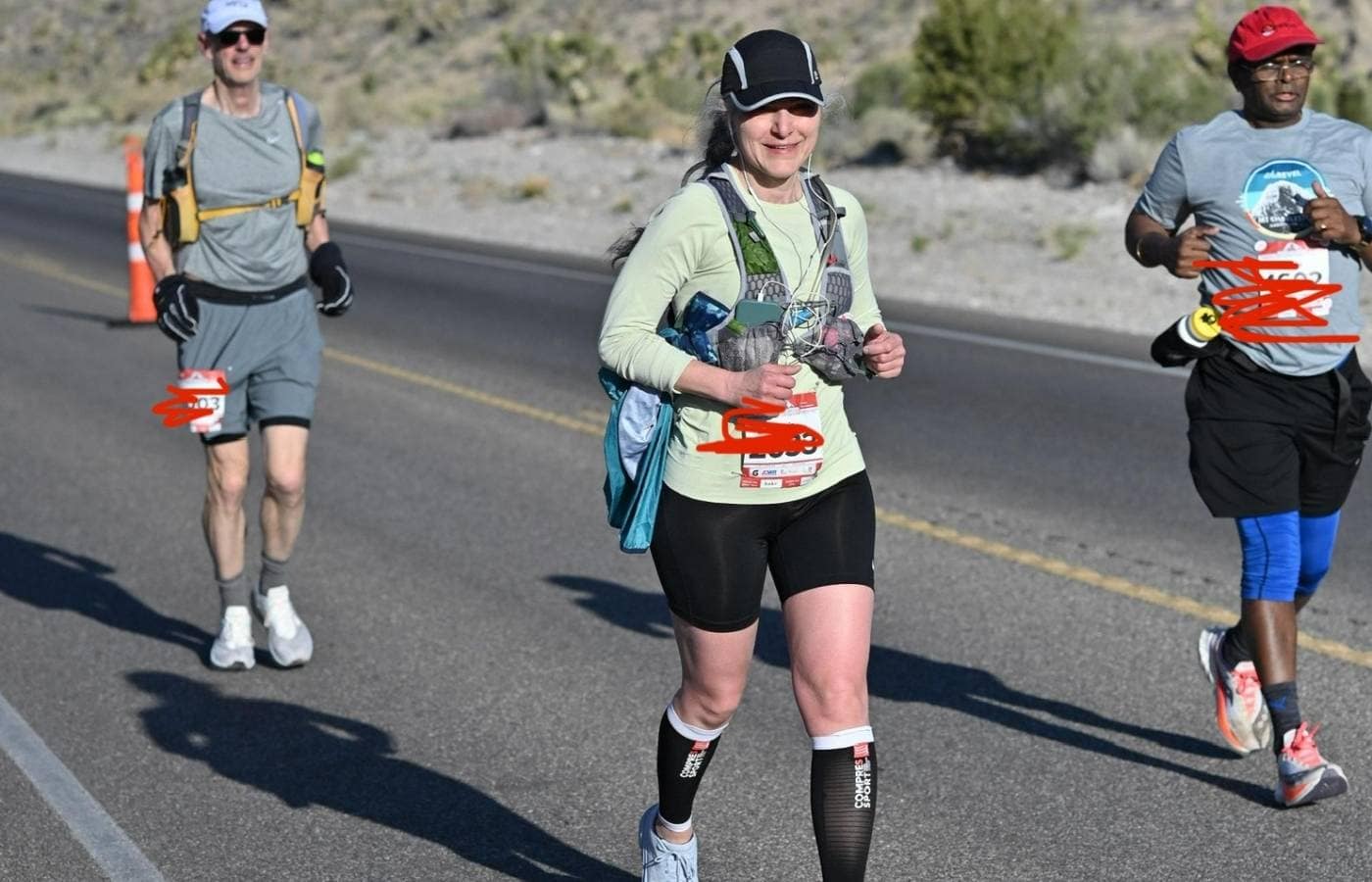
Let me tell you something that took me 52 years and a whole lot of frustrated training runs to figure out: everything I thought I knew about running changed when perimenopause showed up uninvited. And honestly? It’s probably the best thing that has ever happened to my marathon training.
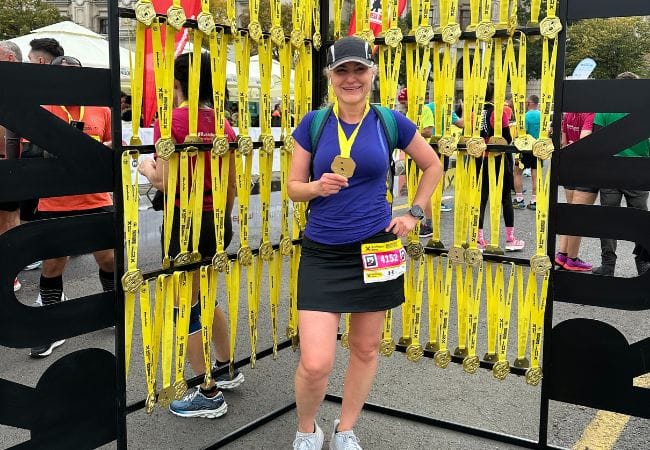
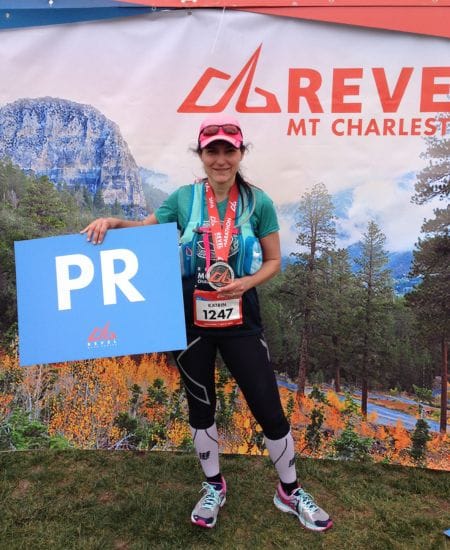
This year, I crossed the finish line of both a half-marathon and a full marathon. At 52. In the thick of perimenopause. With a training approach that would have made my 30-year-old self roll her eyes and mutter something about “not working hard enough.” But here’s the kicker—I felt stronger, recovered faster, and actually enjoyed the process more than I ever did in my younger years.
The secret? Zone 2 training. And if you’re a woman navigating midlife while trying to maintain your running goals, buckle up. This is going to change everything you think you know about marathon training.
My Marathon Journey at 52: Why Everything Changed
The Wake-Up Call
Picture this: It’s 6 AM, I’m lacing up my shoes for what should be an easy 10-miler, and my body feels like I’ve already run a marathon. My heart rate spikes after just half a mile. I’m exhausted despite sleeping eight hours. And that familiar runner’s high? Nowhere to be found. Just grinding fatigue and a nagging voice asking, “Is this what getting older feels like?”
I’d been running for over two decades. I knew how to train. Or so I thought.
When My Old Training Methods Failed Me
The training approach that worked in my 30s and 40s—lots of interval work, tempo runs, pushing through discomfort—suddenly felt like I was fighting my own body. Recovery took twice as long. My resting heart rate was elevated. And don’t even get me started on the random night sweats that made consistent training feel impossible.
What I didn’t realize then was that perimenopause wasn’t just affecting my menstrual cycle—it was fundamentally changing how my body responded to training stress. And trying to power through with my old methods was like trying to use a flip phone in the smartphone era. Sure, it might technically work, but you’re missing out on everything that actually matters.
What Is Zone 2 Training and Why Does It Matter?

Understanding Heart Rate Zones
Zone 2 training is all about working at a moderate intensity—specifically, at 60-70% of your maximum heart rate. It’s that sweet spot where you can still hold a conversation (albeit a slightly breathless one), where your body is primarily burning fat for fuel, and where you’re building serious aerobic capacity without destroying yourself in the process.
Think of it as the difference between a sprint and a sustainable pace. Zone 2 is your body’s happy place—challenging enough to create adaptation, but gentle enough that you can do it day after day without running yourself into the ground.
The Science Behind Zone 2
Here’s where it gets interesting. Zone 2 training specifically targets your mitochondria—those little powerhouses in your cells that generate energy. When you train consistently in Zone 2, you’re essentially building more mitochondria and making the ones you have more efficient. This means better endurance, improved fat oxidation, and enhanced metabolic flexibility.
For perimenopausal women, this is huge. As estrogen declines, we lose some of our natural metabolic advantages. Zone 2 training helps rebuild that foundation in a way that high-intensity work simply can’t match.
Perimenopause: The Uninvited Guest at Every Training Run
How Hormones Hijack Your Running Performance
Let’s talk about what’s really happening when estrogen starts its rollercoaster ride. Estrogen isn’t just about reproduction—it’s deeply involved in everything from muscle recovery to thermoregulation to how your body uses fuel during exercise.
When estrogen levels fluctuate wildly (hello, perimenopause), your body becomes less efficient at burning fat and more reliant on glycogen.
Your core temperature regulation goes haywire—hence those lovely hot flashes mid-run.
And your recovery? It takes a serious hit because estrogen plays a crucial role in muscle protein synthesis and reducing inflammation.
The Metabolic Shift That Changes Everything
Here’s what nobody tells you: around midlife, your body becomes insulin-resistant more easily. Your muscle mass naturally decreases. Your metabolism slows down.
And all those high-intensity training sessions you used to bounce back from? They now trigger a cortisol response that can actually work against you.
This metabolic shift means we need to train smarter, not harder.
We need to build a massive aerobic base that can support those occasional hard efforts without overwhelming our already-stressed hormonal system.
Why Zone 2 Training Became My Secret Weapon
Building Aerobic Capacity Without Burnout
When I finally embraced Zone 2 training—and I mean really committed to it, spending 80% of my running time in this zone—something magical happened.
My endurance skyrocketed. My energy levels stabilized. And that chronic fatigue that had been dogging me for months? It started to lift.

Zone 2 training builds your aerobic engine without triggering the massive stress response that high-intensity work creates.
For perimenopausal women already dealing with cortisol dysregulation, this is everything.
You’re still getting stronger, still building capacity, but you’re doing it in a way that works with your changing hormones instead of against them.
Recovery: The Missing Piece of the Puzzle
Here’s something that blew my mind: proper Zone 2 training actually improved my recovery from the harder sessions.
By building a robust aerobic base, my body became more efficient at clearing lactate, reducing inflammation, and repairing tissue damage.
I could finally do a hard workout on Wednesday and not still be feeling it on Saturday. That alone was worth the “ego hit” of slowing down most of my runs.
From Half Marathon to Full Marathon: My 2024 Success Story
The Half Marathon Breakthrough
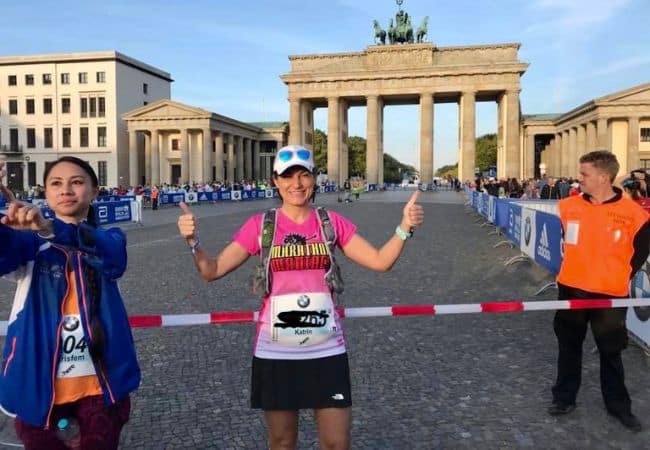
My first race after switching to a Zone 2-focused approach was a half marathon in spring 2024. I’ll be honest—I was nervous. Most of my training had felt “easy.” Too easy. I kept second-guessing whether I was really ready.
But when race day came, something incredible happened. I felt strong from start to finish. No hitting the wall at mile 10. No death march to the finish line. I ran negative splits and crossed the line feeling like I could have kept going. My time? Better than my last half marathon two years prior, before perimenopause really kicked in.
Going the Distance: My First Marathon at 52
Emboldened by my half marathon success, I decided to tackle a full marathon in fall 2024. I kept the same training philosophy: 80% Zone 2, 20% harder efforts strategically placed. Long runs at conversational pace. Consistency over intensity.
Mile 20 came and went, and I was still strong. Mile 23, still going. When I crossed that finish line, I wasn’t just finishing a marathon—I was proving that midlife isn’t about decline. It’s about adaptation. About training smarter. About respecting what your body needs rather than punishing it for what it used to be.
The Zone 2 Training Protocol That Actually Works
How to Calculate Your Zone 2 Heart Rate
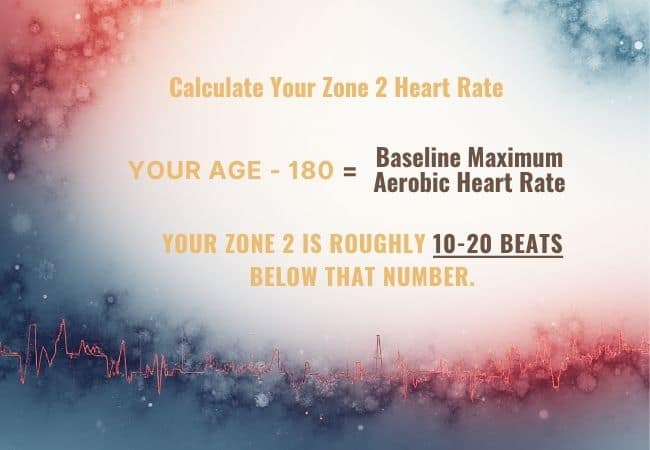
The most accurate way to find your Zone 2 is through lactate threshold testing, but let’s be real—most of us aren’t doing that. Here’s a practical approach: subtract your age from 180. That’s your baseline maximum aerobic heart rate. Your Zone 2 is roughly 10-20 beats below that number.
For me at 52, that meant keeping my heart rate between 118-128 BPM for most of my runs. Yes, that felt ridiculously slow at first. Yes, I had to walk hills. And yes, it was worth it.
The Talk Test Method
Can’t be bothered with heart rate monitors? Use the talk test. In Zone 2, you should be able to speak in complete sentences, though you’ll be slightly breathless. If you can sing, you’re too easy. If you can only gasp out single words, you’re too hard.
Weekly Training Structure
Here’s what my typical training week looked like:
- Monday: Easy Zone 2 run, 45-60 minutes
- Tuesday: Zone 2 run with strides (short 20-30 second accelerations at the end)
- Wednesday: Tempo run or intervals (this was my 20% harder effort)
- Thursday: Recovery Zone 2 run, 30-45 minutes
- Friday: Rest or cross-training
- Saturday: Long run in Zone 2, progressively building from 90 minutes to 3+ hours
- Sunday: Easy Zone 2 or rest
Notice how most of that is Zone 2? That’s the secret sauce.
Common Mistakes Perimenopausal Runners Make

Pushing Too Hard, Too Often
The biggest mistake I see women my age making is trying to train like they did in their 30s. We think we need to prove something—to ourselves, to others, to Father Time. So we push hard on every run, accumulate massive amounts of stress, and wonder why we’re exhausted, injured, and not improving.
Your body is already dealing with significant hormonal stress. Adding excessive training stress on top of that is a recipe for burnout, not better performance.
Ignoring the Recovery Signals
In perimenopause, your body’s whispers become shouts. That lingering fatigue? That elevated resting heart rate? That persistent soreness? These aren’t signs you need to toughen up—they’re red flags that you need to back off and let Zone 2 do its magic.
Why Midlife Women Need a Different Running Strategy
The Cortisol Connection
High-intensity training spikes cortisol. When you’re already dealing with cortisol dysregulation from perimenopause (thanks, sleep disruptions and hormonal chaos), adding more cortisol through excessive hard training is counterproductive. It can lead to stubborn belly fat, compromised immunity, and chronic fatigue.
Zone 2 training provides the stimulus you need without triggering this vicious cortisol cycle. It’s the training equivalent of working with your body instead of against it.
Muscle Mass Matters More Than Ever
Here’s something crucial: maintaining muscle mass during perimenopause is essential for metabolic health, bone density, and running performance. But endless high-intensity running can actually be catabolic—it breaks down muscle tissue.
Zone 2 training preserves muscle mass better than constantly grinding yourself into the ground. Combined with proper strength training, it’s your best bet for staying strong through midlife and beyond.
Final Thoughts: Running Smarter, Not Harder
If there’s one thing I want you to take away from my journey, it’s this: slowing down can actually speed you up. At 52, in the middle of perimenopause, I’m running better than I have in years—not despite embracing Zone 2 training, but because of it.
This isn’t about giving up or settling for less. It’s about understanding that your body is different now, and that’s not a weakness—it’s just a different playing field. The rules have changed, and if you want to keep playing the game, you need to adapt your strategy.
Zone 2 training gave me back my love of running. It made marathon training sustainable again. It proved that midlife can be about growth, not decline. And if you’re willing to let go of outdated training dogma and embrace what actually works for perimenopausal bodies, it can do the same for you.
FAQs
Q: How long does it take to see results from Zone 2 training?
Most runners notice improved endurance and energy levels within 4-6 weeks of consistent Zone 2 training. However, significant aerobic adaptations—like increased mitochondrial density and improved fat oxidation—typically take 3-4 months to fully develop. Be patient. The changes are happening at a cellular level, and they’re worth the wait.
Q: Can I still do speed work and intervals while focusing on Zone 2?
Absolutely! In fact, you should. The 80/20 rule is your friend: 80% of your training in Zone 2, 20% at higher intensities. Those harder sessions become more effective when you have a strong aerobic base underneath them. Plus, you’ll recover better between hard efforts.
Q: Is Zone 2 training only for experienced runners?
Not at all. Zone 2 training is actually ideal for beginners because it helps you build endurance without overwhelming your body. Whether you’re training for your first 5K or your tenth marathon, Zone 2 should form the foundation of your training. The principle remains the same regardless of your experience level.
Q: What if my Zone 2 pace feels impossibly slow?
Welcome to the club! Everyone struggles with this initially. Your Zone 2 pace will improve over time as your aerobic system becomes more efficient. In the beginning, you might need to walk hills or even parts of flat terrain. That’s completely normal. Focus on heart rate, not pace. Speed will come as an adaptation, not as a goal you force.
Q: Should I adjust my Zone 2 heart rate based on perimenopause symptoms?
Yes. On days when you’re experiencing worse perimenopause symptoms—like poor sleep, night sweats, or high stress—you might need to train at the lower end of your Zone 2 range or even take an extra rest day. Listen to your body. The goal is consistent training over time, not heroic efforts that leave you depleted. Your heart rate variability can be a good indicator of when to push and when to back off.