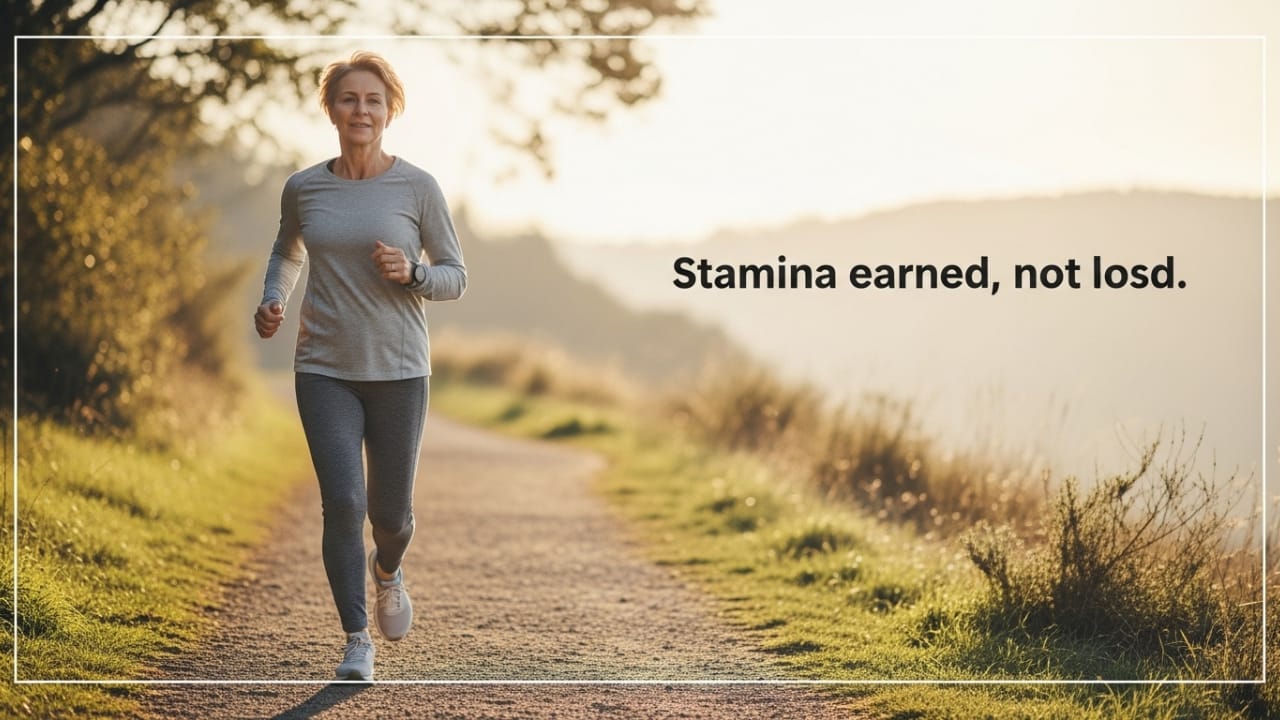
After 40, running can be one of the best things you can do for yourself. Chasing a finish line is not necessary you should only discover what your body can do and how much you train it with care and purpose. Lots of people today believe that after their middle age, they can’t run as much as before it. But the truth is, stamina isn’t lost—it’s rebuilt. It is because of the ability to deal with tragedy slowly that follows growth.
Life is challenging in your 40s when you’re focusing on your job, family, and other personal things. Chasing away stress physically boosts self-discipline and fortifies love around oneself, helping to solidify family bonds. The following guide shows how to effectively and safely improve your performance. This is done through the use of different strategies during your body and mindset process.
Key Takeaways
-
Smart training after the age of forty often trumps intense exercise.
-
Recovery and consistency matter more than speed.
-
A workout is not as important as what you eat.
-
Strength and flexibility work protect stamina from fading.
-
The right mindset turns effort into lasting energy.
Understanding Stamina After 40
Stamina is the ability to sustain effort for a long period of time over time.
Our attitude towards stamina and exertion end up changing as time goes by. The thing that allows you to keep going is the spirit of athletic nature as you run.
Over 40 years of age, your energy capacity may shift, according to your body.
When you get old your muscles go down so your muscle size will go down you will start to get a slower recovery and a less efficient body.
However, this awareness also brings a newfound awareness. You know your limits better. You recognize what your body needs and when to rest. Practicing jogging late in life has no downsides.
The runner is wiser, more athletic, and cares about their success more.
The Role of Midlife Fitness Awareness
Midlife Crises: Finding Clarity About Health in Later Life. Your main goal is to take care of yourself and your overall health. This awareness lets you train smarter. You can totally interpret your heart rate, tell if you are tired, then respond too it.
A person’s awareness is what keeps them strong, not just physically. Finding your own pace in life helps stop a never-ending competition. Focus solely on the current road, breath, and accomplishment.
Building a Strong Foundation Before You Run
Every strong runner begins with a foundation. After 40, that foundation becomes essential. You can’t rush your training or skip the basics. Before running your muscles and joints need to be prepared correctly.
Start slowly. Start your journey with a brisk walk or jog to build up your endurance. Warming up with walking for a 2 week period before resuming a running routine. Start off using short intervals, such as a one minute run and a one minute rest. Over time, your stamina will expand naturally.
Setting Realistic Goals
Stamina isn’t built overnight. It grows with patience. A good goal is to be able to run without. If you get used to it theres no reason you cant exercise longer, even climb stairs.
Realistic goals protect you from burnout. The goal is to run intensively three times over the course of week with less. Consistency helps people build stamina faster than an intense workout. Eventually progress can be completed, and continually is advantage over more time.
Smart Training Techniques to Improve Stamina
Proper training separates safe runners from injured runners because it keeps their legs from breaking down as much. After 40, your body thrives on structure. Working out should have a particular goal in mind.
Switch between running for a long time and trying your best for a short time and then resting. This mix allows the cardiovascular system to adapt to endurance exercises and intense events.
A persons jogging day could be varied by doing it slow and sometimes running as fast as you can. It is a smoother and more effective way with using energy.
Weekly Stamina Plan Example
A balanced weekly structure might look like this.
-
Monday: Schedule a relaxing day to yourself.
-
Tuesday: Running days are kept bright easy.
-
Wednesday: Choose either strength training or brisk walking.
For the third day of the training program alternate between running and a slower jogging as long as for 25 to 30 minutes without rest for the total time between the two subsessions.
For example, jog for 5 minutes and then and then run for 5 minutes or try alternating between 10 minute runs and 15 minute walks then on the next day try 15 minutes of running after 10 minute jog. Also due to not combining any exercises together to reduce the risk of cramping in the legs forgot to include stretching in the other activities.
Since one has as goal to maintain a speed of a quicker jog of a quarter runmiles per minute have a good life expectancy he or she should not be engaged in exhaustive activity like running for too much of the day.
In result try to get involved in less intense activities which can benifit just as much such as golfing, getting a swim, or reading a good book.
-
Friday: Rest or stretching day.
-
Saturday: Run longer and slower rather than intensively to improve your endurance.
Cross Train With Other Pace
Tracking your sessions helps you stay consistent. Write down how you feel after each run. Energy levels matter more than pace at this stage. As long as you can chase your fatigue away after jogging, then chronic fatigue is decreasing.
Nutrition That Fuels Endurance

Your body needs fuel to sustain stamina. People that reach the age of 40 need to food properly. Emphasis should be placed on complete, energy-rich meals.
Running is powered by calories received through carbohydrate sources. Choosing oatmeal, brown rice, and sweet potatoes is overall healthier. Pair higher-quality protein like chicken, salmon, eggs, or black beans along with the workouts to muscle repair. Don’t avoid fats—they’re vital for long-term energy. Nuts, avocados and olive oil improve heart health and increase endurance.
Hydration is equally important. Dehydration affects stamina more than most realize. Drink water throughout the day, not just before your run. To keep athletes healthy they need to worry if they sweat heavily or run in very hot conditions.
Timing Your Meals
What you eat before and after a run makes a big difference. Eat a small meal or snack 60–90 minutes before running. Having the combination of bananas and peanut butter brings instant energy sources.
If you run, then replenish your stores of strength. Try to do it straight away, so you take as little time to recover as you can also. The ingredients in a smoothie make transition to new life easy. Getting a combo of oxygenation and proper body chemicals, can sometimes improve vigor of the body, and possibly sport performance.
Strength and Cross-Training to Support Running Stamina
While running is the primary focus, there are other important things to do. Exercising one way rather than multiple ways strengthens muscles and keeps joints in good shape.
Secondary exercises such as squats, lunges and reaching planks are advantages for aspects such as the core and reintromen. A firm core will improve your posture while running making your treadmill experience less stressful. Resistance training for short periods two days a week can dramatically raise endurance.
Engaging in cross-training activities such as swimming, cycling or yoga increases your cardiovascular fitness system by itself rather than in combination with another exercising instance. These activities build stamina without much stress to your joints, which can actually be beneficial.
Flexibility also plays a role. Stretch your calves, hamstrings, and hips regularly. Less stiffness in walks, and constantly changing runs, reduces, and is only beneficial, preventing loss energy runs.
The Psychological Side of Endurance and Stamina Motivation Matters Most
Stamina isn’t only physical—it’s deeply mental. Your body may carry you, but your mind drives you. Because their feelings are often stronger, runners may abandon the life race before they become exhausted.
Mental endurance takes hitting your limits and moving beyond. When you’re exhausted, tell yourself that empty feeling is merely short term. Notice you’re still alive, and there’s always just one step more in front of you.
Also people should join a running group to help improve overall health. Shared goals and community support boost motivation. All around you other people are working through exercises just like you.
Tracking Progress for Motivation
Keep a simple log or app record of your runs. Instead of focusing on how fast you ran, or how much distance you covered, focus how exhausted you are, what your energy state is, and what recovery time you need. Over weeks, you’ll see patterns of progress.
Ejection of co2 is affected by this activity. These are signs your stamina is improving. Celebrate small victories. We always learn more from the steps we’ve taken than the ones we’ve missed to take.
Recovery Is the Secret to Long-Term Stamina
Training in the middle age as some runners contribute lack of recovery in exercise. But recovery isn’t rest—it’s part of the training. If you’re in your 40s, it takes longer to get back energy.
Sleep is your best recovery tool. Aim for at least seven to eight hours each night. Sleeping well increases stamina drastically, improves concentration greatly. Stretching your muscles after running allows them to stay relaxed and never get tight, in which can cause pain and maybe an injury.
Instead of complete rest, try light physical activity to boost blood circulation gently. Massage as well as exercise and a proper rest help speed up your recovery.
Not getting what you need when you need it should eventually teach you patience. Many runners push too hard and face burnout or injury. Unbelievable as it sounds, the physical character of a human peaks when asleep.
A sustainable running lifestyle is about finding a rhythm that works with your life, rather than the other way around. It’s about balance. Thirty minutes of consistent exercise three times every week has a great impact on your health.
Running should add joy, not stress. People who run outside are refreshing because forest air and changing manners. If you prefer indoor workouts, treadmills are fine too. The key is consistency, not location.
Celebrate each victory as a step up towards your toughest newfound goal planned eventually. People will be battling their own health and physical fitness rather than to their fellow peoples.
During your middle age, running is about being tough. Throughout life you’ve got through hard times. Every step you take represents that wisdom in motion.
My Opinion
After age 40, doing better improves your stamina. Your body responds in a positive way to routine and intelligent decisions. When your body is properly taken care of, it will naturally grow endurance.
Competing in running tournaments likewise shows off these components of physical fitness. This can let your mind along with body do what needs to be done without panic. Age changes how we exercise, not a limitation, but reshaping.
Get your shoes ready, step into the fresh air, and begin running again. Go at your pace. Every mile brings with it a return of heartbeat, breath, and inner strength. It shouldn’t have to be that way, after all.