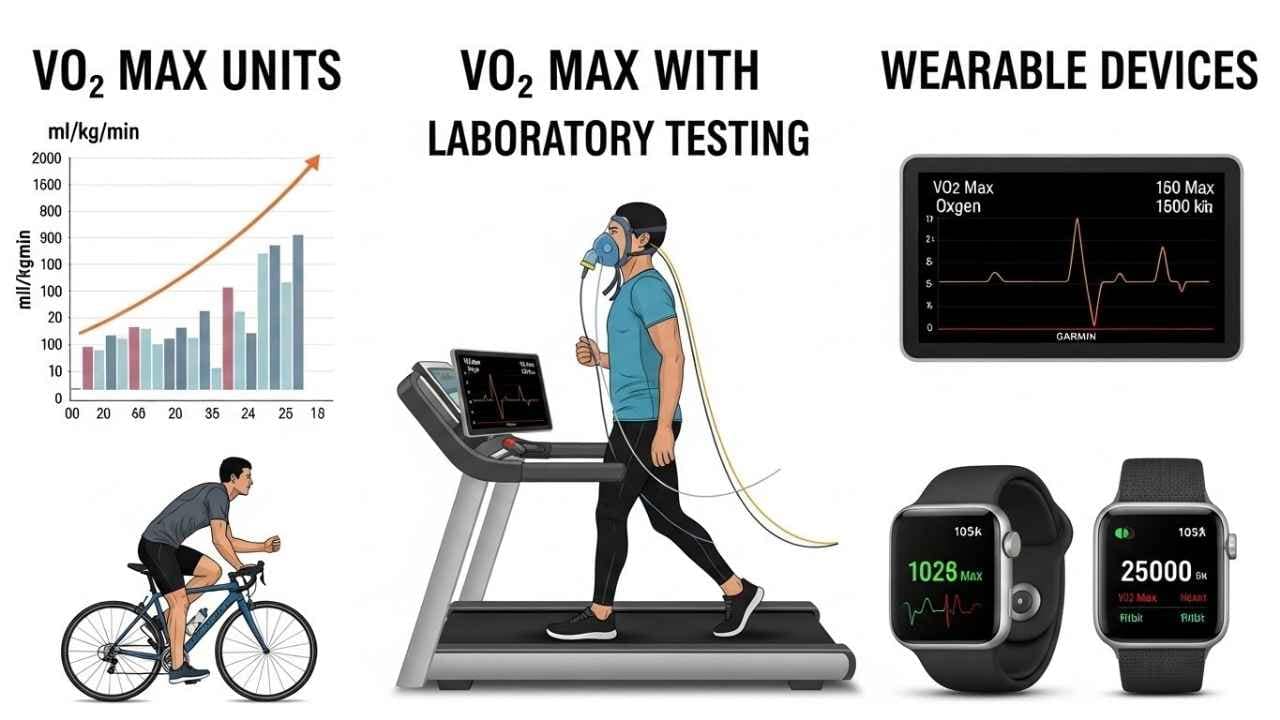
If you’ve ever heard about VO2 Max, you’ve probably come across the term “units” used in relation to it. But what do those units mean? How are they used to assess your cardiovascular fitness, and why is it important to understand them? Whether you’re a seasoned athlete, a fitness enthusiast, or just someone looking to improve your health, knowing about VO2 Max units can help you track your progress and set meaningful goals.
In this blog post, I’ll explain everything you need to know about VO2 Max units, including what they are, how they’re measured, and how to interpret them for better fitness planning.
Key Takeaways
-
VO2 Max units are used to measure the maximum amount of oxygen your body can consume during intense exercise.
-
A higher VO2 Max indicates better cardiovascular fitness, endurance, and performance.
-
VO2 Max units are typically expressed in ml/kg/min.
-
Improving VO2 Max through aerobic exercises and interval training can enhance endurance and cardiovascular health.
-
Monitoring your VO2 Max units is a great way to track fitness progress and make informed health decisions.
What Are VO2 Max Units?
When we talk about VO2 Max, we’re referring to the maximum volume of oxygen your body can use during intense exercise. The units for VO2 Max are used to measure the rate at which oxygen is consumed, and they help determine how efficiently your cardiovascular system works during physical exertion.
The VO2 Max units are typically expressed in:
-
Milliliters of oxygen per kilogram of body weight per minute (ml/kg/min)
This is the most common unit used for VO2 Max. It measures how much oxygen your body can consume in one minute for every kilogram of body weight.
For example, a VO2 Max of 50 ml/kg/min means that, for every kilogram of body weight, your body is capable of consuming 50 milliliters of oxygen per minute during intense exercise.
Why VO2 Max Units Matter
Understanding VO2 Max units is crucial for assessing your fitness level and planning your training. Here’s why:
1. Fitness Benchmark
VO2 Max units are a standard measure of cardiovascular fitness. The higher your VO2 Max, the more oxygen your body can use during exercise, which means you have greater endurance and stamina.
For example:
-
Elite athletes typically have a VO2 Max of 60-80 ml/kg/min.
-
A sedentary person might have a VO2 Max of around 30-35 ml/kg/min.
By understanding VO2 Max units, you can compare your fitness to the average values for your age, sex, and activity level.
2. Tracking Fitness Progress
If you’re working to improve your fitness, tracking VO2 Max units is one of the best ways to measure progress. Over time, with consistent training, you should see an increase in your VO2 Max, indicating improvements in cardiovascular fitness. For example, someone who regularly participates in aerobic exercises (like running, cycling, or swimming) may notice their VO2 Max units increase.
3. Setting Realistic Fitness Goals
Understanding VO2 Max units helps you set realistic fitness goals. Whether you’re looking to improve your endurance for a marathon, cycling competition, or just for overall health, knowing your VO2 Max in units allows you to track your improvements and adjust your training plans accordingly.
How is VO2 Max Measured in Units?
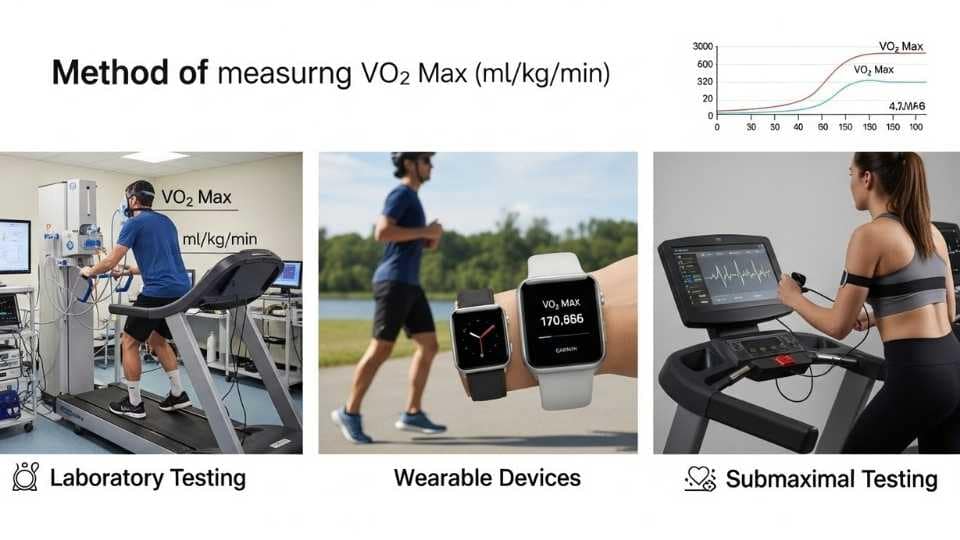
To measure VO2 Max in ml/kg/min, you need a method to track your oxygen consumption during exercise. There are a few different ways to measure VO2 Max:
1. Laboratory Testing
The most accurate way to measure VO2 Max is through a laboratory test, typically done on a treadmill or cycling ergometer. During this test, you wear a mask connected to a device that measures the oxygen you inhale and the carbon dioxide you exhale.
As the intensity of the exercise increases, the tester measures how much oxygen your body uses. When the oxygen consumption plateaus despite increasing exercise intensity, that’s your VO2 Max. The result is usually expressed in ml/kg/min, showing how much oxygen your body can consume in one minute, for each kilogram of body weight.
2. Wearable Devices
Some wearable devices, like the Apple Watch, Garmin, and Fitbit, estimate your VO2 Max by monitoring heart rate and activity level. These devices use algorithms to estimate VO2 Max based on how hard your body is working during exercise. While these estimates aren’t as precise as laboratory tests, they provide a great way to track your VO2 Max over time.
3. Submaximal Testing
Submaximal tests estimate VO2 Max by monitoring heart rate at different exercise intensities. These tests are not as accurate as lab testing but can give a good estimate of VO2 Max in a less controlled setting.
VO2 Max Units: How to Interpret Your Results
So, you’ve had your VO2 Max measured, but what do those numbers mean? Here’s a breakdown of how to interpret your VO2 Max units based on different activity levels and categories:
1. Average Values for Healthy Adults
Here’s a rough guide to VO2 Max levels for adults based on ml/kg/min:
-
Sedentary Adults: 30-40 ml/kg/min
-
Active Adults: 40-50 ml/kg/min
-
Endurance Athletes: 50-60 ml/kg/min
-
Elite Athletes: 60-80 ml/kg/min
These values are based on averages. As you can see, athletes and highly active individuals typically have much higher VO2 Max values, as their bodies are more efficient at using oxygen during exercise.
2. Gender and Age Differences
Age and gender also play a role in VO2 Max values. On average, men tend to have higher VO2 Max values than women, primarily due to differences in muscle mass and heart size. As we age, VO2 Max naturally declines, typically starting in our 30s. This is a natural process, but staying active can help slow this decline.
3. How to Improve Your VO2 Max Units
If you want to improve your VO2 Max units, regular aerobic exercise is key. Here are some strategies to boost your VO2 Max:
-
Interval Training: High-intensity interval training (HIIT) is one of the best ways to increase VO2 Max. It involves alternating between bursts of high-intensity exercise and recovery periods.
-
Endurance Training: Consistent aerobic activities like running, cycling, or swimming will gradually increase your cardiovascular efficiency, raising your VO2 Max over time.
-
Strength Training: While not as directly related to VO2 Max, strength training can help improve overall fitness, leading to better oxygen utilization.
VO2 Max Units for Athletes: How Important Are They?
For athletes, VO2 Max units are incredibly important. In endurance sports like marathon running, cycling, or swimming, the ability to efficiently use oxygen is crucial for long-term performance. Higher VO2 Max values generally correlate with better endurance, faster times, and improved recovery.
For elite athletes, VO2 Max becomes one of the main factors that determine their level of performance in endurance sports. A VO2 Max in the 70-80 ml/kg/min range is typical for top-level endurance athletes, allowing them to maintain high intensities for long periods without fatiguing.
VO2 Max Units and Health: Why Should You Care?
Even if you’re not an athlete, tracking VO2 Max units can offer valuable insights into your health. A high VO2 Max is associated with lower risks of chronic diseases like heart disease, diabetes, and high blood pressure. It indicates that your cardiovascular system is functioning efficiently, which can lead to better overall health and increased longevity.
By tracking and improving your VO2 Max units, you can ensure that your heart and lungs are in good shape, helping to reduce the risk of illness and improve quality of life.
My Opinion On VO2 Max Units
VO2 Max units is essential for anyone serious about improving their fitness, whether you’re an athlete or simply looking to live a healthier life. These units provide a clear and measurable way to track cardiovascular health, endurance, and overall fitness.
Whether you’re measuring VO2 Max in a lab or using wearable devices like Apple Watch, Garmin, or Fitbit, knowing your VO2 Max in ml/kg/min helps you assess your fitness and set realistic goals. By improving your VO2 Max, you can enhance endurance, boost performance, and reduce health risks—all leading to a healthier, more active life.
FAQs
What is the normal range for VO2 Max units?
A normal VO2 Max for a healthy adult is generally between 30-40 ml/kg/min, but athletes often reach much higher levels.
How do I improve my VO2 Max?
You can improve your VO2 Max by incorporating aerobic exercises like running, cycling, swimming, and high-intensity interval training (HIIT).
What is the best way to measure my VO2 Max units?
You can measure VO2 Max in a lab for the most accurate result, but wearables like Apple Watch and Garmin provide a convenient way to track VO2 Max over time.
How do VO2 Max units affect athletic performance?
A higher VO2 Max allows for better endurance, enabling athletes to perform longer and at higher intensities without fatiguing.