There’s something powerful about crossing the threshold of 50 years. For many of us, it brings a newfound wisdom, perspective, and desire to make the most of the decades ahead.
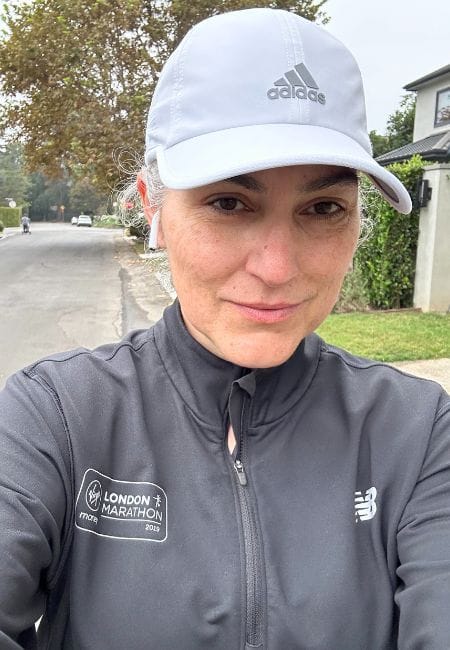
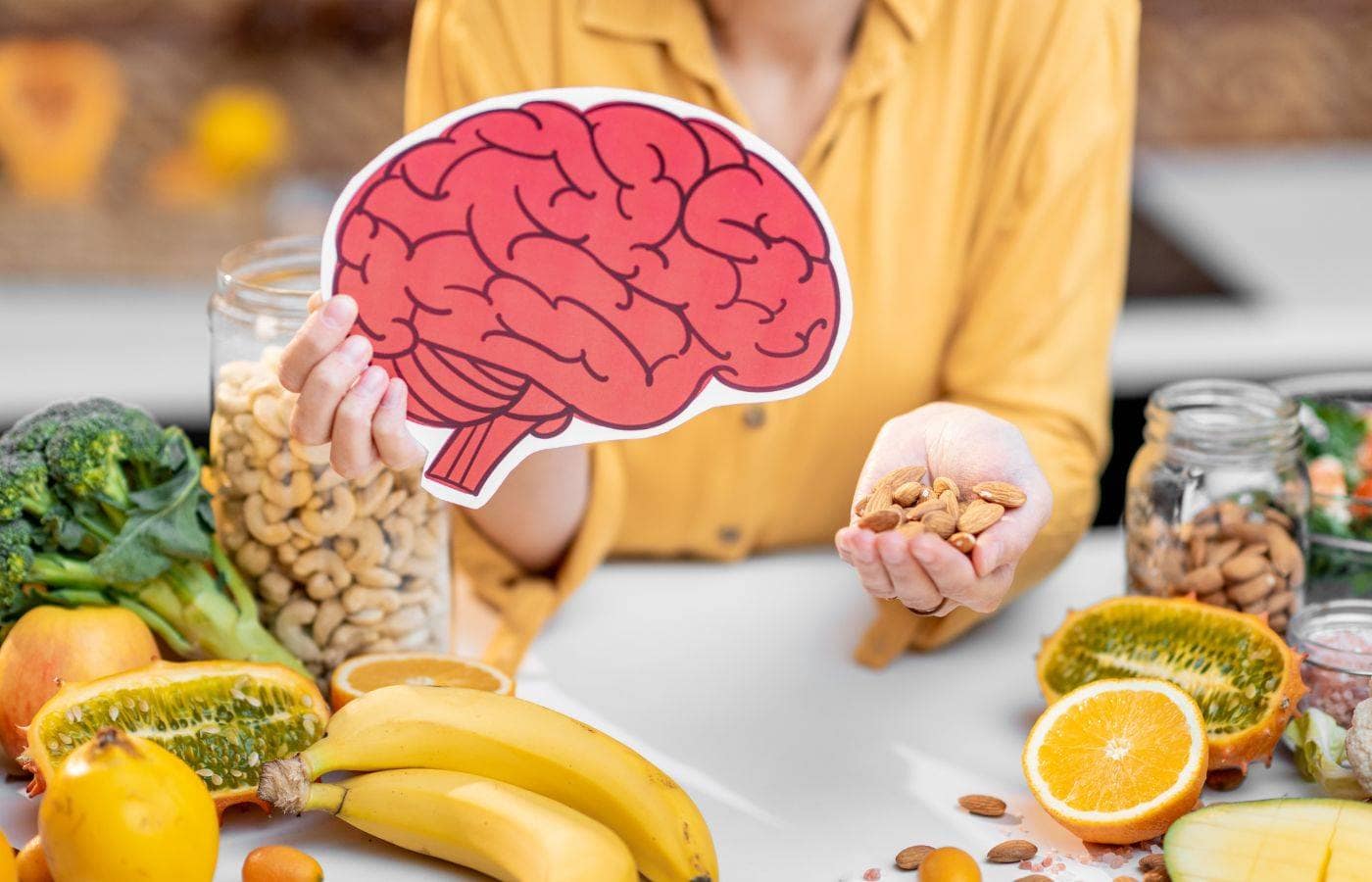
As I’ve journeyed through this season of life myself, I’ve become increasingly fascinated by one particular aspect of aging well: brain health.
Our brains—these magnificent, complex organs that house our memories, dreams, and identities—deserve our thoughtful attention, especially as we age.
Today, I want to share what science tells us about keeping our brains vibrant and resilient through our 50s and beyond, with a special focus on the unique aspects of women’s brain health.
The Midlife Brain: What Science Tells Us
The brain doesn’t simply decline with age as once believed. Instead, it changes, adapts, and—with the right care—can continue to develop new neural pathways well into our 80s and 90s.
Research from the National Institute on Aging has shown that our brains demonstrate remarkable neuroplasticity—the ability to reorganize itself by forming new neural connections—throughout life.
This gives us tremendous power to influence our cognitive future.
However, women face some unique considerations. A 2021 study published in Neurology found that the decline in estrogen during menopause affects brain metabolism and can impact cognitive function.
The good news? These effects can be mitigated through lifestyle interventions.
Nourishing the Female Brain: Food as Medicine
What we eat quite literally becomes the building blocks of our brain cells. For women over 50, certain nutrients deserve special attention.
The MIND Diet: Science-Backed Brain Food
The MIND (Mediterranean-DASH Intervention for Neurodegenerative Delay) diet, researched extensively at Rush University Medical Center, shows particular promise for women’s brain health.
Studies found this eating pattern can lower Alzheimer’s risk by up to 53% in those who adhere to it rigorously.

Key components include:
- Leafy greens: At least 6 servings weekly
- Berries: Especially blueberries and strawberries, 2+ servings weekly
- Fatty fish: Rich in omega-3 fatty acids, 2+ servings weekly
- Nuts: 5+ servings weekly
- Olive oil: As your primary cooking oil
- Limited red meat: Less than 4 servings weekly
- Minimal processed foods and added sugars
The Alzheimer’s Association highlights that this diet works synergistically with other lifestyle factors to protect brain function.
Hormonal Considerations and Supplements
The Harvard Women’s Health Watch reports that estrogen influences neurotransmitter activity in brain regions controlling mood, memory, and cognitive function.
Some supplements that show promise for women’s brain health after 50 include:
- Magnesium: Research suggests optimal levels support learning and memory
- Vitamin D: Low levels correlate with cognitive decline
- B vitamins: Especially B12, folate, and B6, which help manage homocysteine levels linked to brain health
- Omega-3 fatty acids: Critical for brain cell membrane health
Before starting any supplement regimen, consulting with your healthcare provider is essential, as needs vary widely between individuals.
Movement: The Brain’s Best Friend
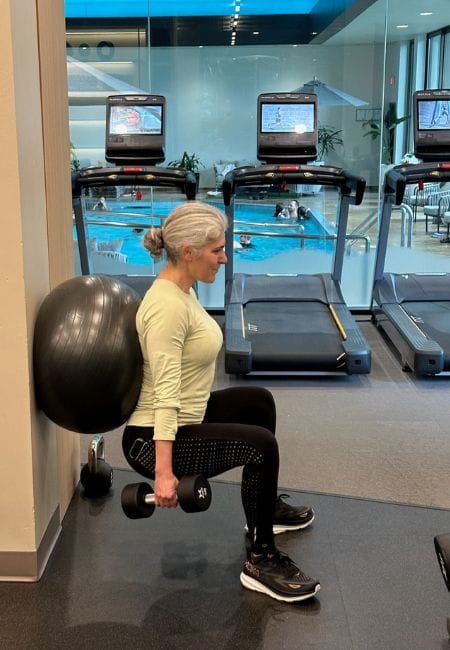
If I could prescribe just one thing for brain health, it might be regular physical activity. The research is compelling and consistent.
A large-scale study tracking over 1,500 women for more than 40 years found that high cardiovascular fitness in midlife was associated with an 88% decreased risk of dementia.
For women over 50, consider:
- Walking briskly for 30 minutes daily
- Strength training twice weekly (particularly important as muscle mass helps regulate blood sugar, which affects brain health)
- Balance exercises like tai chi or yoga, which combine physical movement with mental focus
- Dance classes, which combine exercise with social connection and learning new patterns
Dr. Wendy Suzuki, neuroscientist and author of “Healthy Brain, Happy Life,” explains that exercise stimulates the production of brain-derived neurotrophic factor (BDNF), which she calls “miracle grow for the brain.”
Sleep: The Great Restorer
During perimenopause and beyond, many women struggle with sleep disruptions that can impact cognitive function. Research from the Sleep Foundation confirms that quality sleep is when the brain clears away toxins, including those associated with Alzheimer’s disease.
For better brain-preserving sleep:
- Aim for 7-8 hours nightly
- Maintain consistent sleep-wake times
- Create a cool, dark sleeping environment
- Limit screen time before bed
- Consider cognitive behavioral therapy for insomnia (CBT-I) if sleep troubles persist
Stress Management: Protecting Brain Volume
Chronic stress can literally shrink key brain regions related to memory and emotional regulation. This is particularly relevant for women, who typically experience higher rates of stress-related disorders.
A Yale University study found that even mild stress can affect brain functioning. Effective stress management techniques include:
- Mindfulness meditation: As little as 12 minutes daily has been shown to reduce inflammation markers that affect brain health
- Time in nature: “Forest bathing” reduces cortisol levels and improves focus
- Creative pursuits: Activities like painting, music, or crafts activate different neural networks
- Breathwork: Simple techniques like 4-7-8 breathing activate the parasympathetic nervous system
Social Connection: The Underappreciated Brain Booster
Loneliness is increasingly recognized as a significant health risk comparable to smoking or obesity. The Harvard Study of Adult Development, one of the longest studies on adult life, found that strong relationships were the strongest predictor of both happiness and brain health.
For women over 50, prioritizing meaningful connection might look like:
- Regular gatherings with friends or family
- Volunteering for causes that matter to you
- Joining clubs or classes aligned with your interests
- Mentoring younger women
- Participating in community events
Cognitive Challenge: Use It or Lose It
Learning new skills creates and strengthens neural pathways. A groundbreaking University of Texas study found that older adults who learned complex new skills like digital photography or quilting showed more improvement in memory than those who did less demanding activities.

Brain-stimulating activities particularly beneficial after 50 include:
- Learning a new language
- Taking up a musical instrument
- Mastering digital skills
- Studying art or creative writing
- Learning complex games like bridge or chess
A Personal Note: Wisdom from My Journey
As I’ve implemented these practices in my own life past 50, I’ve noticed something remarkable: caring for my brain doesn’t feel like a burden or a clinical checklist.
Instead, it’s become a gateway to a richer, more engaged life.
The daily walk becomes a moving meditation on the changing seasons. The MIND diet introduces me to new flavors and cooking techniques.
Learning a language connects me with a broader world and culture. Getting proper sleep makes every day more vibrant and productive.
Brain health isn’t just about preventing decline—it’s about embracing growth, possibility, and joy in this powerful chapter of life.
Creating Your Brain Health Protocol
If this seems overwhelming, start small. Pick one area that resonates with you or needs the most attention:
- Choose one MIND diet principle to implement this week
- Establish a 10-minute daily walking habit
- Create a sleep sanctuary in your bedroom
- Download a meditation app and try 5 minutes daily
- Call one friend each week for a meaningful conversation
- Sign up for one class that challenges you
Remember that brain health isn’t built in a day. These small steps, consistently taken, create the foundation for vibrant cognitive health that can last decades.
The science is clear: our brains are remarkably resilient and responsive to our care. As women navigating the rich territory beyond 50, we have tremendous power to influence how we think, feel, and experience the world in the years ahead.
I’d love to hear which brain health practices have made the biggest difference in your life. Share your experiences in the comments below!
This blog combines scientific research with personal insights but should not replace personalized medical advice. Always consult healthcare providers about your specific brain health needs.