Training
Training after 40 changed for me — not less of it, smarter. My weeks are built around Zone 2 running, two strength sessions, and the interval and sprint work that still keeps me fast. Everything in this section is what I actually do, adapted to a body that recovers differently than it did at 35.
12 articles
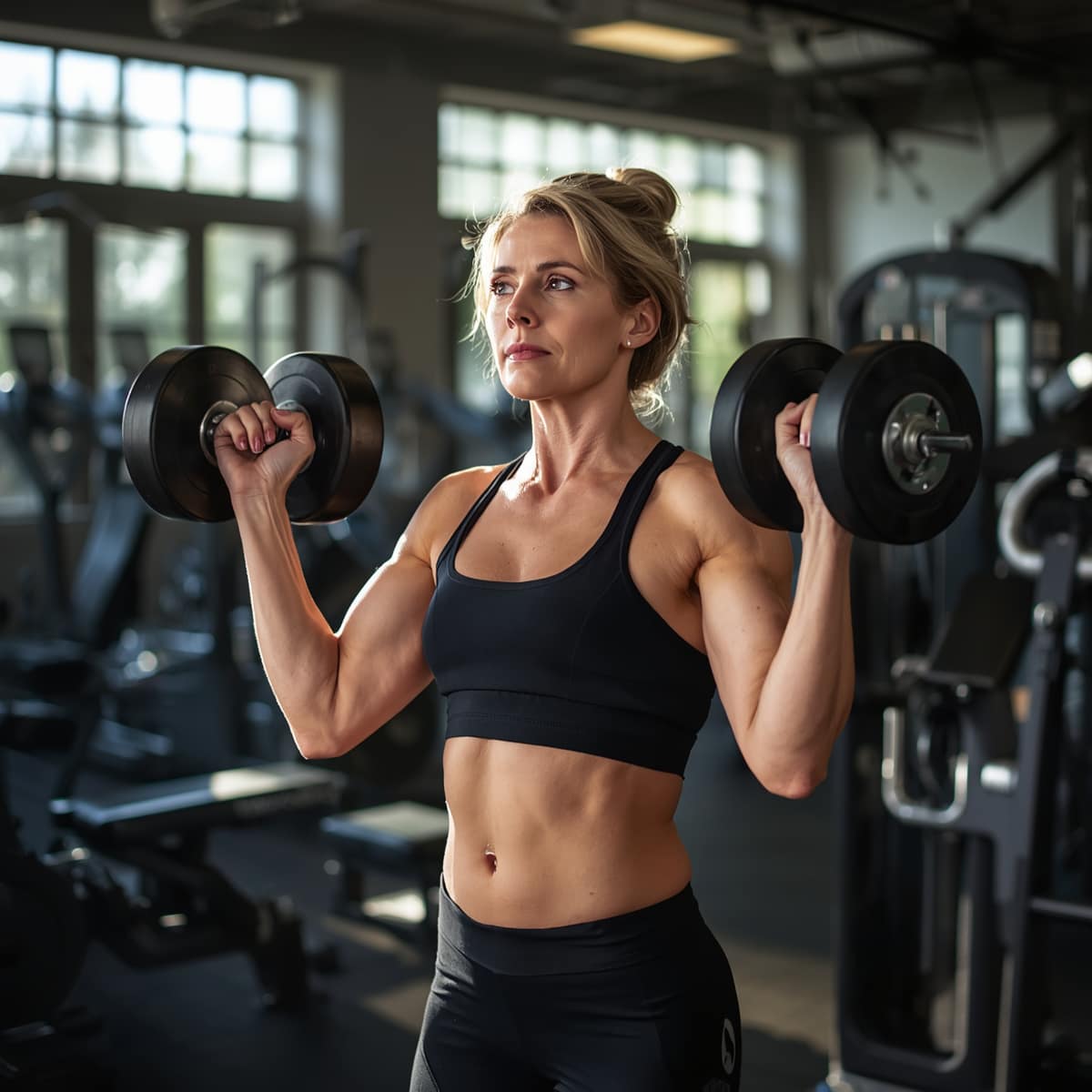
Strength Training for Midlife Runners: 9 Powerful Benefits for Endurance, Injury Prevention, and Longevity
Strength Training for Midlife Runners may be the most overlooked tool for improving performance, preventing injuries, and maintaining the ability to run well into your 60s, 70s, and beyond. Many women runners focus primarily on mileage, pace, heart rate training, nutrition, and recovery. While these are all important, there is another factor that becomes increasingly critical after 40: muscle strength. As women enter perimenopause and menopause, natural changes in hormones, muscle mass, bone den
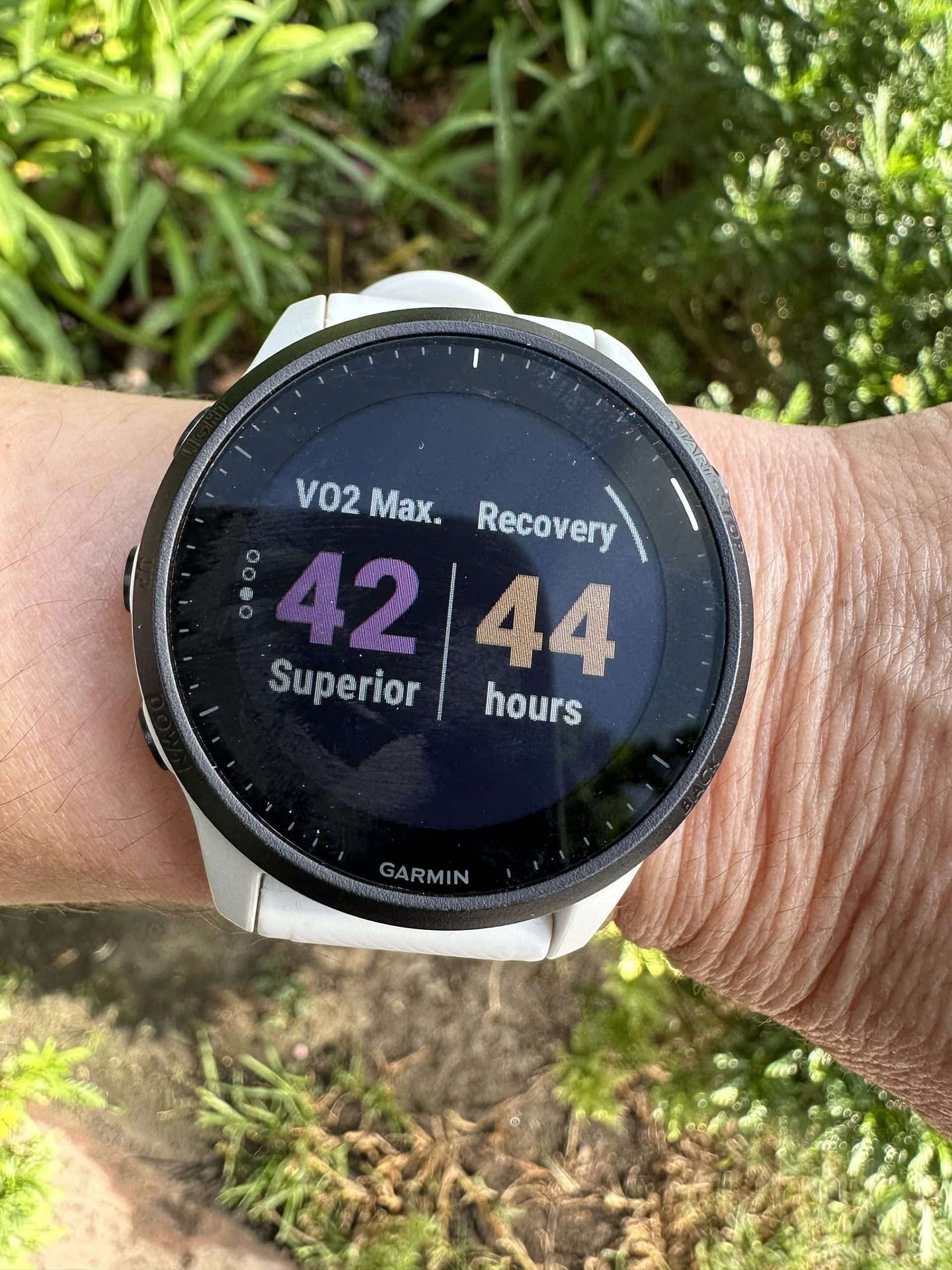
VO2 Max for Women Over 50: 7 Effective Ways to Improve Endurance and Longevity
VO2 Max for Women Over 50 becomes increasingly important as running, recovery, and energy begin to change in midlife. Many women notice that: running feels harder endurance declines recovery takes longer fatigue appears faster And while aging plays a role, much of this is connected to one important physiological factor: 👉 VO2 max. The good news is this: VO2 max can be improved at almost any age. And improving it doesn’t necessarily require harder training. For women over 50, the key is training

Zone 2 Training for Runners Over 50: The Complete Guide
Zone 2 Training for Runners Over 50: 7 Powerful Ways to Build Endurance and Burn Fat Zone 2 Training for Runners Over 50 is one of the most effective—and often misunderstood—ways to build endurance, improve energy, and stay consistent without burnout. If your runs have started to feel harder, your recovery takes longer, or your energy feels unpredictable, the problem may not be your effort. It may be your intensity. This is where a different approach becomes essential. What Zone 2 Actually Means
Zone 2 vs Interval Walking for Midlife Runners: The Smart, Honest Guide Women 45+ Need
Zone 2 vs interval walking for midlife runners is not just a training debate. It is a hormonal conversation. If you are 45+, running through perimenopause or menopause, you already know this: The body that carried you through your 30s does not respond the same way now. Recovery takes longer. Sleep is less predictable. Fat distribution changes. Heart rate feels different. And yet — you still want to run. You still want to train. You still want to stay in the game. So the question becomes: Should
Interval Walking Training for Runners at Midlife: A Smarter Cross-Training Strategy for Women 45+
IWT - A Smarter Cross-Training Strategy for Women 45+
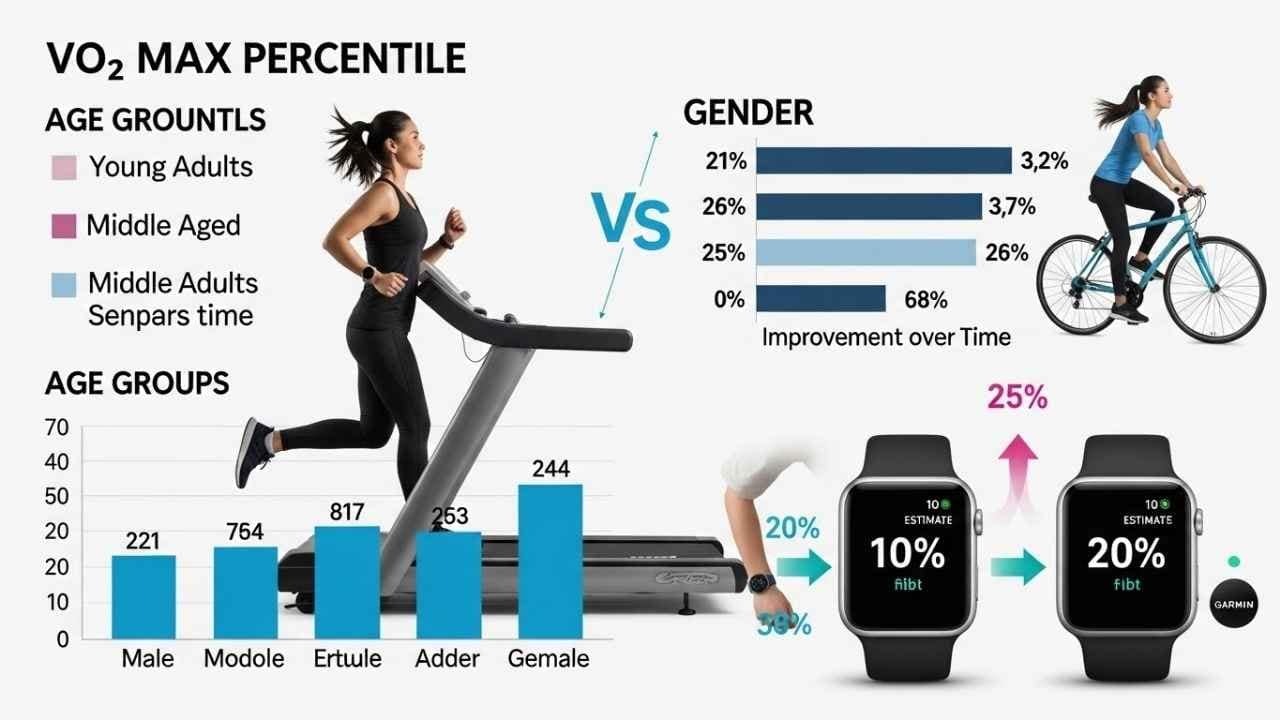
VO2 max longevity: The Powerful Runner’s Guide to Thriving Past 50
VO2 max longevity: The Powerful Runner’s Guide to Thriving Past 50 VO2 max longevity isn’t a catchy wellness phrase—it’s a measurable marker of how well your heart, lungs, blood vessels, and working muscles deliver and use oxygen under stress. And that “whole-system” capacity matters a lot once you’re past 50, especially if you’re a runner who wants to keep racing through perimenopause, menopause, and beyond. Large cohort studies and clinical reviews consistently show that higher cardiorespirato

Why Sprinting is Your Secret Weapon for Marathon Training and Longevity After 50
Sprint Training for Women Over 50: The Longevity Secret Every Midlife Marathon Runner Needs Sprint training for women over 50 is one of the most misunderstood tools in the midlife runner's toolkit — and I say that as someone who spent years avoiding it. I'm 52. I've run 28 marathons, including all five Abbott World Major Stars. I'm currently navigating perimenopause without HRT, watching my body rewrite its own rulebook in real time. My heart rate is unpredictable. My recovery takes longer. My s

How To Increase VO2 Max
When I first learned about VO2 Max, I realized it wasn’t just another fitness metric it’s one of the biggest indicators of your health, endurance, and even your longevity. And if you’re reading this, you’re probably wondering something similar to what I wondered: How do I increase my VO2 Max? Is it even possible to boost it if I’m busy or out of shape? Do I need to run like endurance athletes to get a higher VO2 Max score? Is zone 2 training better than HIIT? What workouts actually improve VO2 M
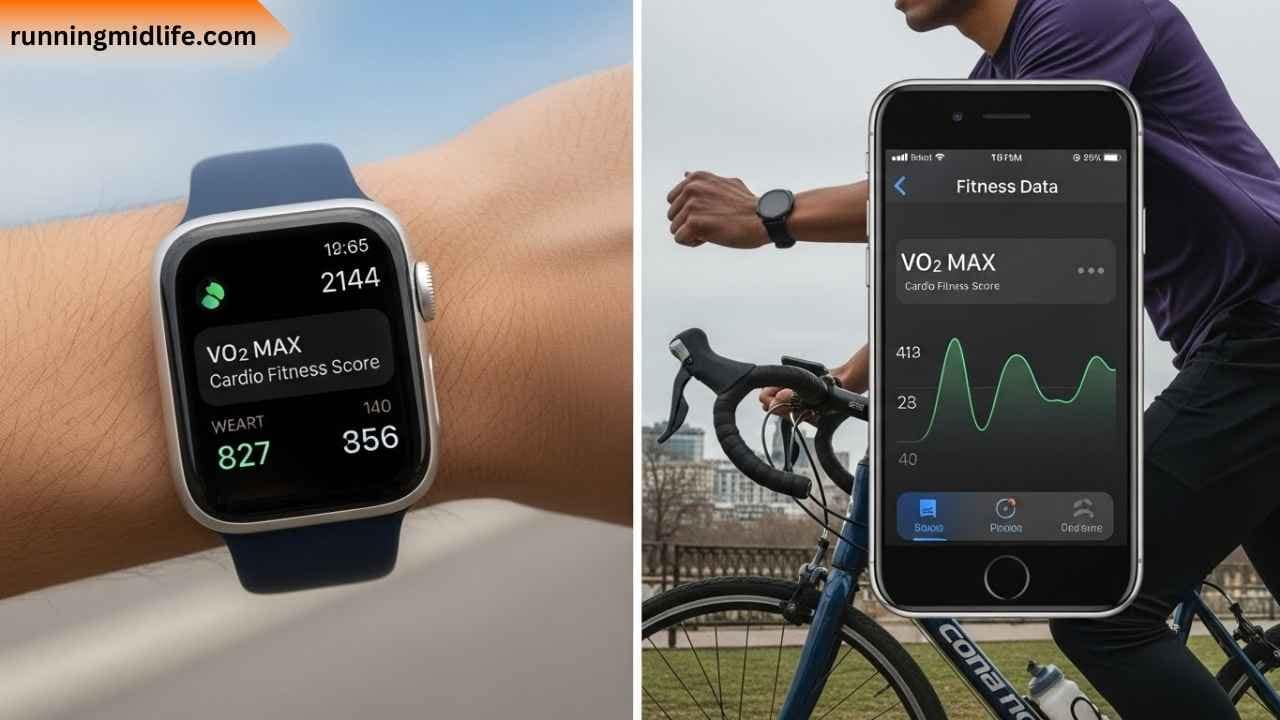
How To Check VO2 Max On Apple Watch
If you're an Apple Watch user, you've probably heard of VO2 Max a key indicator of your cardiovascular fitness. But how do you actually check VO2 Max on your Apple Watch, and what does it mean for your fitness level and overall health? In this blog, I’ll walk you through everything you need to know about VO2 Max on the Apple Watch, from setting it up to tracking your cardio fitness levels and improving your cardiovascular health. Whether you’re aiming to boost your fitness or just want to monito
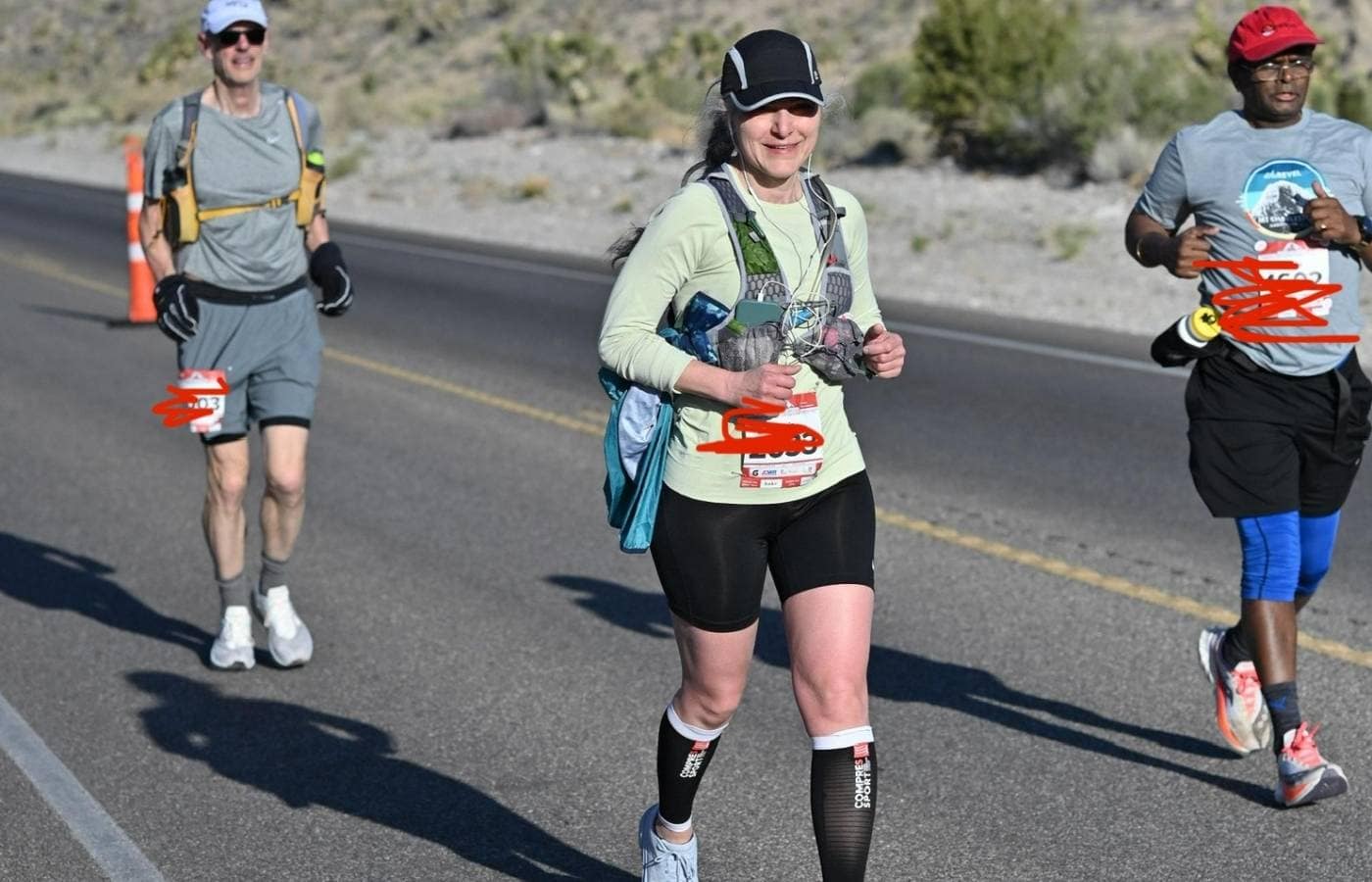
Zone 2 Training: The Game-Changer for Perimenopausal Marathoners
Discover how Zone 2 training can help perimenopausal runners build endurance, balance hormones, and prevent burnout. Learn the science behind low heart rate training and why it’s a game-changer for women running through midlife.

VO2 Max and Longevity: Your Secret Weapon for Thriving Past 50
VO2 max might just be the most powerful longevity marker you’ve never paid attention to. Here’s how boosting your cardiorespiratory fitness after 50 can help you live stronger, longer, and more vibrantly through midlife and beyond.

The Science Behind Japanese Interval Walking Training (IWT): A Breakthrough for Healthy Aging
Japanese researchers have developed a revolutionary approach to physical activity that's particularly beneficial for women over 50. Interval Walking Training (IWT) is distinguished by its evidence-based approach to improving health outcomes through alternating periods of intensity and recovery during walking sessions. Understanding the Japanese IWT Method The Research Foundation The Shinshu University School of Medicine in Matsumoto, Japan, under the leadership of Dr. Hiroshi Nose and his team,